



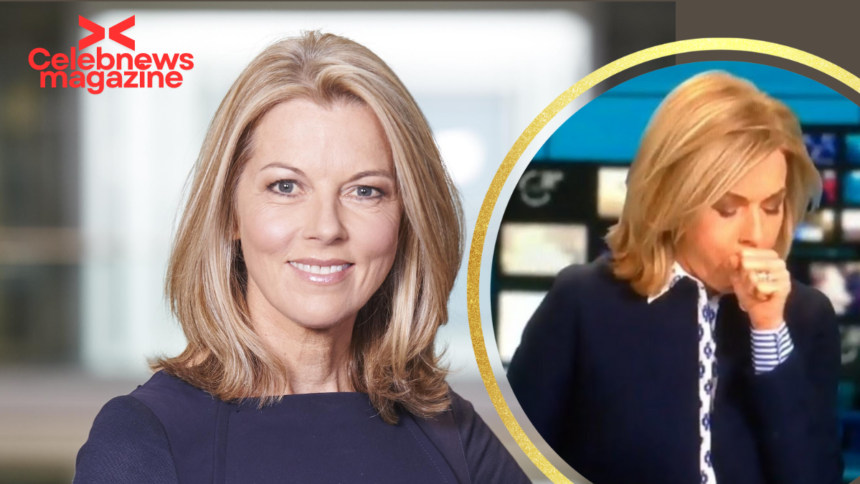
Mary Nightingale illness story reveals her frightening throat cancer scare, voice loss, and inspiring recovery. Learn about the ITV Evening News anchor’s health journey, career, and 2026 update.
Quick Facts About Mary Nightingale
| Category | Details |
|---|---|
| Full Name | Mary Nightingale |
| Date of Birth | May 26, 1963 |
| Age (2026) | 62 years old |
| Birthplace | Scarborough, North Yorkshire, England |
| Current Role | ITV Evening News Anchor |
| Years at ITV | Since 2001 (25+ years) |
| Education | BA in English, Bedford College, University of London |
| Marital Status | Married to Paul Fenwick (since 2000) |
| Children | Two sons |
| Health Scare | Throat cancer tests (2001-2002) |
| Diagnosis | Stress-related voice disorder (functional dysphonia) |
| Awards | TRIC Newscaster of the Year (2002, 2004) |
| Current Health Status | Fully recovered and actively presenting |
Mary Nightingale Biography and Early Career
Mary Nightingale has established herself as one of Britain’s most trusted television journalists over her remarkable career spanning more than three decades. Born in Scarborough, Yorkshire, she was the third of four daughters in her family. Her early years saw multiple relocations, moving to Marlow, Buckinghamshire at age four, and later to Devon during her teenage years.
Her educational journey took her through several prestigious institutions, including Danesfield School in Medmenham, St Margaret’s School in Exeter, and King Edward VI School in Totnes. She pursued higher education at Bedford College, University of London, where she earned her Bachelor of Arts degree in English, laying the groundwork for her future career in journalism and broadcasting.
Mary’s professional journey began in an unexpected field—the financial sector. During the 1980s, she worked on Eurobond trading floors in the City of London. However, her passion for communication and storytelling eventually led her to transition into journalism in 1990. She started as a presenter and writer for World Business Satellite at TV Tokyo, before moving to BBC World Service Television, where she covered economic and corporate news on the World Business Report.
Throughout the 1990s, Mary expanded her broadcasting repertoire. She presented Reuters Financial Television’s early morning financial program in 1994, and in 1995, became the first presenter of “After 5” on the London News Network. She co-presented London Tonight with Alastair Stewart and served as the sole presenter of London Today, Carlton’s lunchtime news bulletin. Her versatility shone through as she also presented travel programs like “Wish You Were Here?” from 1999 to 2001, and sports coverage including ITV’s Rugby World Cup highlights in 1995 and BBC Two’s Ski Sunday in 1996.
In 2001, Mary joined ITN and was promoted to present the ITV Evening News, a position she has held with distinction ever since. In 2017, when the program transitioned to a single-anchor format, Mary remained as the sole presenter, making her Britain’s longest-serving presenter of one network news program.
Mary Nightingale Age and Personal Life
At 62 years old in 2026, Mary Nightingale continues to defy expectations in an industry often criticized for ageism. Her enduring presence on ITV Evening News demonstrates that talent, professionalism, and viewer trust transcend age-related stereotypes in broadcasting.
Mary married television producer Paul Fenwick, a former Human Resources director at Trailfinders, in April 2000 in New York City. The couple has two sons together. Despite her public profile, Mary has maintained a relatively private personal life, choosing to keep her family largely out of the spotlight. Her husband Paul became her primary support system during her health struggles, accompanying her to medical appointments and helping her navigate the emotional challenges of her illness.
Understanding Mary Nightingale Illness
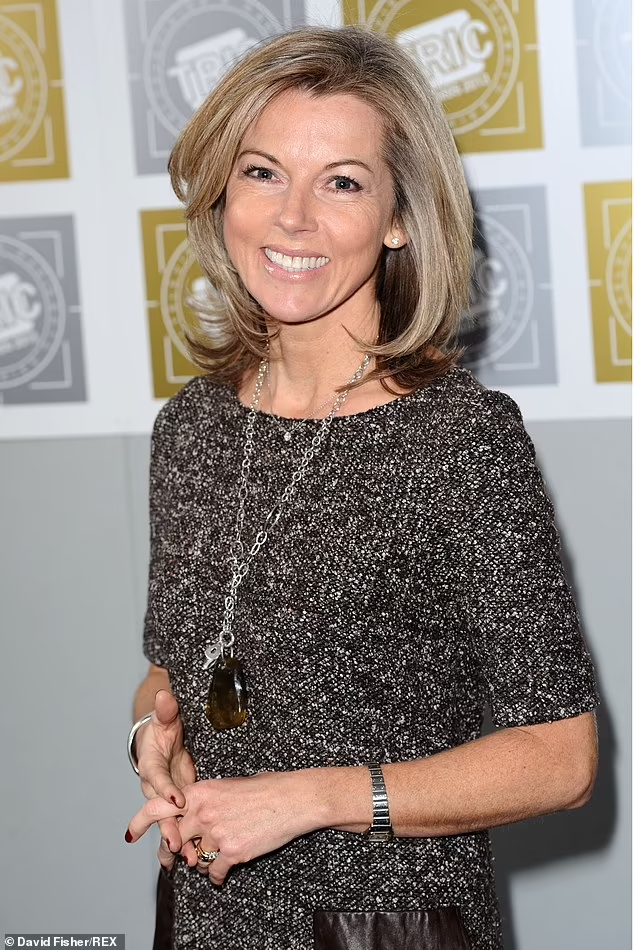
The Mary Nightingale illness story began around 2001-2002, during what should have been a triumphant period in her career. She had just secured her position as the anchor of ITV Evening News, yet behind the scenes, she was battling a mysterious and terrifying health condition that threatened everything she had worked for.
The first signs appeared subtly. Like many professionals in high-pressure careers, Mary initially dismissed early symptoms as simply part of the demanding broadcast schedule. She began experiencing recurring throat problems, including hoarseness, voice fatigue, and persistent dryness. For someone whose voice is their primary professional tool, these symptoms were deeply concerning.
The turning point came after a three-hour live broadcast covering the death of the Queen Mother in 2002. Following this marathon presentation, her voice began to crack and fade with increasing frequency. What started as occasional strain evolved into a persistent problem that sometimes left her barely able to speak. There were frightening moments when her voice threatened to fail completely during live bulletins, and on at least one occasion, she had to miss a broadcast because she could not talk.
For 15 months, Mary endured this mystery condition while continuing to present the news with her characteristic composure. The stress of maintaining professional standards while managing unpredictable symptoms created a vicious cycle—anxiety about her voice problems actually made them worse.
Mary Nightingale Throat Cancer Scare
The most terrifying aspect of Mary Nightingale’s health journey was the possibility of throat cancer. When her symptoms refused to subside despite rest and standard remedies, doctors recommended comprehensive testing to rule out serious conditions.
At just 38 years old and recently named Newscaster of the Year, Mary faced an exhaustive series of medical examinations that lasted over 15 months. The testing protocol included throat cancer screenings, scans, vocal cord assessments, and consultations with multiple specialists. Each test brought anxiety, each examination carried the weight of potentially life-altering news.
For someone in broadcasting, the fear of losing one’s voice—or worse, facing a life-threatening illness—was overwhelming. Mary kept this struggle largely private, continuing to deliver the evening news while quietly undergoing medical evaluations. Her silence about the health scare mirrored the quiet strength she displayed throughout this uncertain period.
An insider from ITN revealed at the time that the cancer tests were the most frightening for Mary, but doctors told her they had to examine every possibility. The wait for results took an enormous emotional toll, not just on Mary but also on her family and colleagues.
Ultimately, after months of thorough investigation, doctors ruled out cancer and any other serious disease. While this news brought tremendous relief, it also created frustration—if nothing was physically wrong, why was her voice failing her?
Mary Nightingale Voice Loss and Diagnosis
The medical mystery surrounding Mary Nightingale’s voice problems eventually led to a diagnosis that many people struggle to understand: functional dysphonia, a stress-related voice disorder. This condition occurs when psychological factors cause genuine physical voice impairment without any structural damage to the vocal cords or throat.
In a candid interview with Good Housekeeping magazine, Mary revealed the truth about her condition. Years of high-pressure broadcasting, combined with perfectionism and fear of failure, manifested in her body’s physical inability to produce sound normally. “My voice just disappeared,” she explained, “not from physical damage, but from carrying too much pressure for too long.”
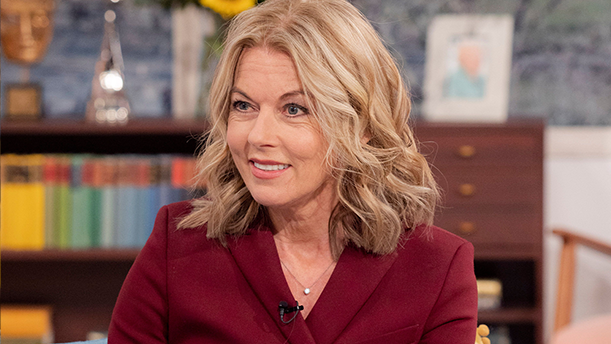
The diagnosis highlighted an often-overlooked reality in broadcasting and other voice-dependent professions: stress can literally strangle the larynx. When the body experiences chronic stress, muscles tense throughout the system, including those around the throat. Over time, this tension impacts vocal performance, leading to inflammation, loss of clarity, and chronic hoarseness.
Experts who reviewed Mary’s case emphasized that her condition was triggered by worry and stress rather than any medical pathology. Voice coaches and throat specialists explained that the key to recovery would involve techniques commonly used by opera singers, including proper breathing, good posture, stress management, and vocal hygiene practices.
Mary Nightingale Health Scare Impact
The Mary Nightingale health scare had profound impacts that extended beyond her physical symptoms. Professionally, she faced the terrifying prospect of losing the career she had built over decades. Every broadcast became a test of whether her voice would hold out, creating performance anxiety that compounded the underlying problem.
Emotionally, the uncertainty took a heavy toll. For over a year, Mary lived with the fear that she might have a life-threatening condition. The inability to diagnose the problem definitively added to her distress. She had to compartmentalize this struggle, maintaining a composed professional demeanor on camera while privately battling fear and frustration.
The decision to keep her health issues private during this period was both a matter of professional necessity and personal preference. Mary chose to manage the situation quietly, avoiding public speculation that might have intensified the pressure she was already experiencing. However, this privacy came at a cost—the isolation of suffering silently while colleagues and viewers remained unaware of her struggle.
When news of her throat cancer tests finally became public in 2002, the media called it a “mystery condition” and reported that it had forced her off air. The revelation sparked an outpouring of support from viewers and colleagues, demonstrating the strong bond Mary had built with her audience over years of trusted journalism.
Mary Nightingale Recovery Journey
Mary Nightingale’s recovery from her stress-related voice disorder did not happen overnight. It required a multifaceted approach addressing both the physical symptoms and the underlying psychological factors contributing to her condition.
The recovery protocol involved several key components:
Vocal Therapy: Mary worked with speech and voice specialists to develop healthier vocal techniques. This included learning proper breath control, which voice coaches emphasized was fundamental to vocal health. Deep breathing from the lungs, rather than shallow chest breathing, helps prevent the larynx from becoming constricted under stress.
Stress Management: Recognizing that anxiety about her voice was making the problem worse, Mary incorporated relaxation techniques into her routine. Throat specialist Grant Bates, secretary of the Ear Nose and Throat Association, advised that reducing worry about the problem was crucial for recovery.
Vocal Hygiene: Mary adopted practices used by professional singers to protect her voice. This included keeping a glass of cold water nearby during broadcasts, staying well-hydrated before and after bulletins, avoiding smoky environments, and minimizing caffeine consumption.
Lifestyle Adjustments: Recovery required changes beyond vocal exercises. Mary worked on improving her posture, which affects how the voice is produced. She focused on getting adequate sleep, maintaining good nutrition, and building in time for vocal rest.
Mental Health Support: Understanding that her condition had psychological roots, Mary likely engaged with mental health professionals to address the stress and perfectionism underlying her voice problems.
Workplace Support: ITV demonstrated significant empathy during this period, providing Mary with flexibility in her schedule when needed while maintaining her position. This organizational support proved crucial in allowing her the space to recover without the added stress of job insecurity.
The recovery process was gradual but ultimately successful. Mary’s voice regained its strength, clarity, and warmth—the qualities that define her on-screen presence. More importantly, she developed sustainable strategies for managing stress and protecting her vocal health that would serve her throughout the remainder of her career.
Mary Nightingale ITV News Anchor Career Success
Despite the health challenges she faced in the early 2000s, Mary Nightingale’s career at ITV News has flourished. She has been the face of ITV Evening News for over 25 years, making her one of the most recognizable and trusted news presenters in British television.
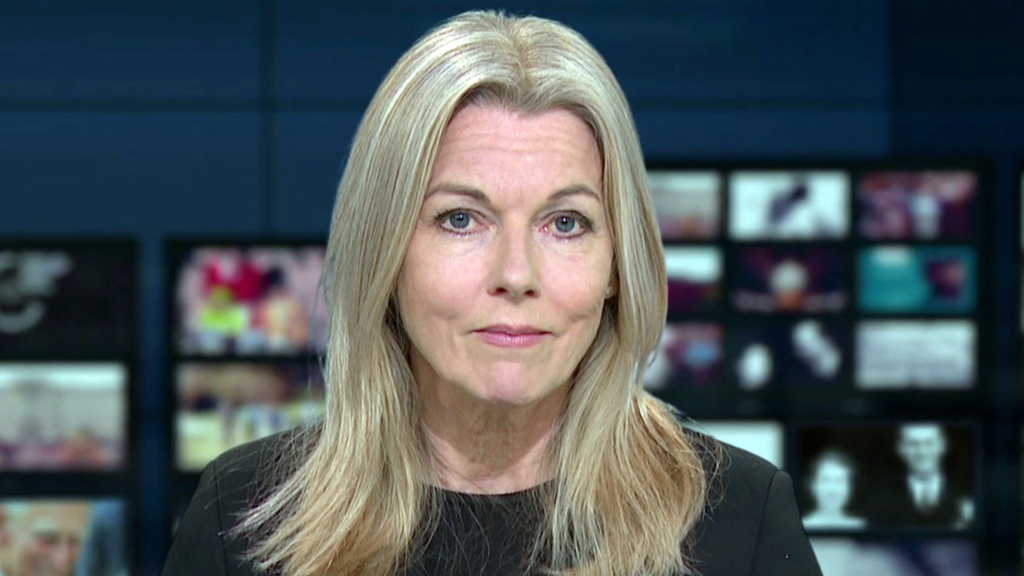
Her professional achievements include:
Longevity and Recognition: Mary became Britain’s longest-serving presenter of one network news program, a testament to her skill, reliability, and viewer appeal. She has won multiple awards, including TRIC Awards for Newscaster of the Year in 2002 and 2004.
High-Profile Coverage: Throughout her career, Mary has anchored coverage of major national and international events. Her three-hour live broadcast following the death of the Queen Mother in 2002, though it preceded her voice problems, was shortlisted for a BAFTA and demonstrated her capability under pressure.
Audience Trust: The ITV Evening News has enjoyed some of its best audience ratings in a decade under Mary’s stewardship. Her calm authority and credible delivery have made her a fixture in British households, with viewers tuning in specifically to hear her present the day’s events.
Program Evolution: When ITV Evening News transitioned to a single-anchor format in January 2017, Mary was chosen as the sole presenter, underscoring the network’s confidence in her abilities and appeal.
Industry Respect: Beyond daily news presentation, Mary has served as an awards host, conference facilitator, and interviewer for prestigious organizations including the Royal Bank of Scotland, HSBC, KPMG, and PricewaterhouseCoopers. Her professionalism has made her a sought-after presence for corporate events and industry gatherings.
The fact that Mary achieved all of this success while navigating and ultimately overcoming a serious health challenge makes her accomplishments even more remarkable. Her experience transformed her from simply a skilled presenter into someone with deep understanding of resilience, vulnerability, and the importance of health in sustaining a demanding career.
Mary Nightingale 2026 Health Update
As of 2026, Mary Nightingale remains in excellent health and continues as a central figure at ITV News. There have been no credible reports of any recurrence of her previous vocal difficulties or any other major health concerns.
At 62, Mary continues to present the ITV Evening News with the same professionalism, clarity, and composed authority that have defined her career. Her successful recovery from the stress-related voice disorder of the early 2000s appears to be complete and lasting. The coping strategies she developed—stress management techniques, vocal hygiene practices, and a more balanced approach to the pressures of broadcasting—have served her well over the subsequent two decades.
Mary’s continued presence on screen is itself a health update of sorts. The demanding nature of nightly news broadcasting requires sustained vocal performance, mental sharpness, and physical stamina. Her ability to maintain this schedule for over 25 years, particularly after overcoming her health scare, speaks to both her recovery and her commitment to self-care.
The longevity of her career also reflects broader changes in the broadcasting industry’s approach to presenter health and wellbeing. The openness with which Mary eventually discussed her stress-related voice problems has contributed to greater awareness within the industry about the physical and psychological demands placed on on-air talent.
For viewers and fans who have followed her career, Mary’s ongoing success provides reassurance that the health scare of the early 2000s is firmly in the past. She remains a trusted voice delivering the evening news to millions of British households, embodying resilience and professionalism in equal measure.
More Read

Lessons from Mary Nightingale’s Health Journey
Mary Nightingale’s experience with illness offers valuable insights that extend far beyond the broadcasting industry:
Stress Has Physical Consequences: Mary’s story demonstrates that psychological pressure can manifest in tangible physical symptoms. Stress-related conditions are real medical issues, not signs of weakness or imagination.
Early Intervention Matters: When symptoms persist, seeking medical evaluation is crucial. Mary’s willingness to undergo extensive testing, despite the fear involved, was essential to ruling out serious conditions and eventually finding the right diagnosis.
Professional Pressure Affects Health: High-achieving individuals often push through symptoms in service of their careers. Mary’s experience shows the importance of recognizing when professional demands are compromising wellbeing.
Recovery Requires Holistic Approaches: Addressing stress-related health issues involves more than treating symptoms. Mary’s recovery incorporated vocal therapy, stress management, lifestyle changes, and mental health support—a comprehensive approach that addressed root causes.
Privacy vs. Transparency: Mary’s initial decision to keep her health struggles private was understandable, but the eventual public discussion helped reduce stigma around stress-related health conditions and vocal disorders in broadcasting.
Organizational Support Is Crucial: ITV’s empathetic response, providing flexibility while maintaining Mary’s position, demonstrates how employers can support employees through health challenges in ways that benefit everyone.
Perfectionism Can Backfire: Mary’s own acknowledgment that perfectionism and fear of failure contributed to her voice problems highlights how high standards, taken to extremes, can become counterproductive.
Long-Term Success Is Possible: Perhaps most importantly, Mary’s continued career success two decades after her health scare proves that it is possible to overcome significant health challenges and return to peak performance.
Conclusion
The Mary Nightingale illness story is ultimately one of triumph over adversity. What began as a frightening mystery involving voice loss and throat cancer fears became a journey of self-discovery, healing, and renewed strength. Mary faced down the terror of potentially life-threatening illness, navigated 15 months of medical uncertainty, and ultimately conquered a stress-related condition that threatened the career she had built over decades.
Her experience resonates because it reveals the human vulnerability beneath the polished professional exterior. Even the most composed, competent individuals face moments of crisis and fear. Mary’s willingness to eventually share her story has helped others understand that health struggles, particularly those related to stress and mental wellbeing, can affect anyone regardless of their apparent success.
Today, at 62 and still anchoring ITV Evening News, Mary Nightingale stands as living proof that health challenges need not define or derail a life. Her voice—the same voice that once failed her in moments of overwhelming stress—now reaches millions of viewers nightly with clarity, authority, and warmth. Her journey from silent suffering through frightening uncertainty to full recovery and continued success offers hope and inspiration to anyone facing their own health battles.
Mary Nightingale’s legacy extends beyond her impressive journalism career. She represents resilience, the importance of prioritizing health even in demanding professions, and the possibility of emerging from difficult periods stronger than before. Her story reminds us that behind every calm professional presence is a complete human being with struggles, fears, and the capacity for remarkable recovery.
As she continues her work as one of Britain’s most trusted news presenters, Mary Nightingale embodies the truth that strength and vulnerability are not opposites but companions in the journey toward lasting success and wellbeing.