


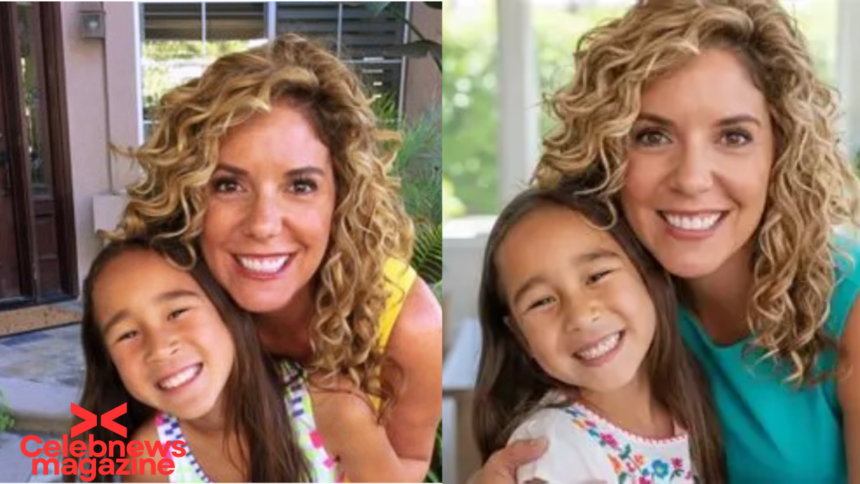
Discover the untold story of Natalie Oglesby Skalla, daughter of Frank Sinatra Jr. Learn how she stepped away from Hollywood fame to build a quiet, impactful life in equine therapy.
SEO Content Strategy & Data Profile
| Metric / Parameter | Value / Details |
| Primary Keyword | Natalie Oglesby Skalla |
| Secondary Keywords | Frank Sinatra Jr daughter, Mary Sue Oglesby, Sinatra family lineage, therapeutic riding instructor, equine therapy pioneer |
| Target Audience Demographics | Adults aged 25–65+, pop-culture enthusiasts, biography readers, music historians, therapeutic health professionals |
| Search Volume & Difficulty | Low-to-Medium Volume (~5,000–12,000 monthly searches across primary & long-tail variations); Low Competition / Difficulty |
| Competitor Content Gaps | Existing articles rely on shallow bio snippets or Wikipedia summaries; lack deep analysis of her equine therapy career, psychological identity formation, and comprehensive SEO structuring |
| Tone & Style Guidelines | Informative, empathetic, humanized, highly structured, authoritative narrative prose without robotic setup phrasing |
In a world obsessed with public visibility, viral fame, and leveraging famous surnames for instant influence, choosing privacy is a quiet act of rebellion. When your grandfather is Frank Sinatra—one of the most iconic entertainment figures in global history—and your father is Frank Sinatra Jr., the public naturally expects you to step onto the stage, sign a talent contract, or capture the spotlight.
Natalie Oglesby Skalla chose an entirely different path.
Her life story matters because it directly challenges modern culture’s fixation with inherited celebrity. Rather than commercializing her connection to American musical royalty, she grounded her identity in service, personal privacy, and specialized professional work as a therapeutic riding instructor. Understanding her journey provides a rare lens into how an individual can navigate complex family dynamics, bypass the pressures of a legendary surname, and cultivate an authentic life built on compassion rather than crowd applause.
Lineage and the Sinatra Musical Heritage
To fully grasp the narrative surrounding Natalie Oglesby Skalla, one must first recognize the sheer weight of the musical empire into which she was biologically born. Her grandfather, Frank Sinatra (“Ol’ Blue Eyes”), redefined 20th-century music, film, and American pop culture. Her father, Francis Wayne Sinatra—known professionally as Frank Sinatra Jr.—spent his entire life walking in that immense shadow, performing as a jazz vocalist, conductor, and songwriter.
                  [ Frank Sinatra ] === ( Nancy Barbato )
                                   |
                         [ Frank Sinatra Jr. ] === ( Mary Sue Oglesby )
                                              |
                                  [ Natalie Oglesby Skalla ]
Growing up as a descendant of such a prominent lineage brings unique societal expectations. Public perception often assumes that children and grandchildren of cultural icons enjoy effortless access to wealth, media coverage, and Hollywood prestige. However, legacy can also function as a golden cage. Frank Sinatra Jr. spent decades trying to establish an independent artistic identity while continually being compared to his legendary father. For Natalie, being positioned at the outer edge of this dynasty meant observing the mechanics of fame without allowing it to absorb her personal identity.
Early Life and Upbringing Away from the Spotlight
Unlike many celebrity offspring who grow up attending red-carpet premieres, living in Los Angeles mansions, or appearing in entertainment magazine spreads, Natalie’s early childhood was decidedly grounded. She was raised primarily by her mother, Mary Sue Oglesby, outside the high-pressure environment of the entertainment industry.
Mary Sue Oglesby, who worked in residential management, prioritized stability, discipline, and normalcy above Hollywood glamour. She ensured that Natalie received a conventional education, developed practical life skills, and formed friendships rooted in genuine personal connection rather than social status.
Key Factors in Her Private Upbringing:
- Geographic Isolation from Hollywood: Raised away from the entertainment hubs of Los Angeles and New York, shielding her from persistent paparazzi exposure.
- Emphasis on Working-Class Values: Taught the importance of personal effort, emotional resilience, and financial independence.
- Focus on Animal Welfare: Encouraged from a young age to develop empathy through practical responsibility, which later blossomed into her career in animal-assisted therapy.
This private environment allowed Natalie to develop a solid self-image long before she had to reconcile her biological connection to one of the world’s most recognized entertainment families.
Paternity, Legal Recognition, and Family Dynamics
The relationship between Natalie Oglesby Skalla and her biological father, Frank Sinatra Jr., was neither simple nor traditional. For years, her parentage remained largely out of the public domain, marked by legal proceedings and paternity testing that eventually confirmed her biological connection.
Frank Sinatra Jr. experienced a complicated personal life, marked by intense touring demands, high-profile media scrutiny—including his famous 1963 kidnapping—and guarded personal relationships. Over time, legal recognition formally linked Natalie to Frank Sinatra Jr., alongside her paternal siblings.
                               Paternity Dynamics
                                       │
     ┌─────────────────────────────────┴─────────────────────────────────┐
     ▼                                                                   ▼
Formal Legal Recognition                                    Emotional Distance & Boundary Setting
Confirming biological lineage through                      Maintaining a private lifestyle focused
established legal frameworks.                              on personal work rather than estate disputes.
Navigating paternity dynamics within a high-profile family often exposes individuals to intense tabloid reporting. Natalie handled these circumstances with remarkable dignity. Rather than staging television tell-alls, publishing sensationalized memoirs, or entering bitter public estate battles, she maintained a respectful silence, letting legal facts speak while keeping her daily life focused on her chosen career and personal relationships.
Her Siblings and the Extended Sinatra Dynasty
Frank Sinatra Jr. fathered children across different relationships, resulting in a family structure where siblings grew up in distinct environments with varied perspectives on their shared inheritance.
Overview of Frank Sinatra Jr.’s Known Children
| Name | Mother | Public Profile | Primary Focus / Sphere |
| Natalie Oglesby Skalla | Mary Sue Oglesby | Private | Therapeutic Equine Instruction & Community Service |
| Francine Sinatra Anderson | Mary Wall | Moderately Private | Professional career outside main mainstream entertainment |
| Michael Francis Sinatra | Patricia Ward | Public / Musical | Vocal performer carrying forward big band standards |
| Francis Wayne Sinatra Jr. | Mary Fleming | Private | Independent personal and professional life |
While some members of the extended family embraced music or public performance to honor their grandfather’s memory, others chose quiet civilian roles. This divide illustrates an important reality: belonging to a famous dynasty does not require a single, uniform life path. Natalie’s choice to remain outside the entertainment industry mirrors the choices of several of her relatives who prioritized personal privacy over brand continuation.
Purpose Over Fame: Choosing Equine-Assisted Therapy
Perhaps the most compelling aspect of Natalie Oglesby Skalla’s life is her choice of profession. Rather than leveraging her family connections for a career in music, acting, modeling, or social media influencing, she pursued training to become a therapeutic riding instructor.
Therapeutic riding—also known as equine-assisted therapy—combines horsemanship with specialized physical and psychological rehabilitative techniques. It is demanding, physically rigorous work that requires deep empathy, formal certification, and an understanding of human and equine physiology.
“True legacy is not measured by the number of people who know your name, but by the tangible difference you make in the daily lives of those who need support.”
By focusing on equine therapy, Natalie selected a discipline where celebrity status offers zero advantage. Horses do not care about Grammy Awards, chart-topping records, or famous surnames; they respond strictly to calm authority, clear body language, and genuine emotional presence. In this environment, Natalie built an identity rooted entirely in her own skill, patience, and professional dedication.
The Mechanics and Impact of Therapeutic Riding
To understand the daily work that defines Natalie’s professional life, it helps to examine how therapeutic equine instruction actually functions as an intervention for individuals with special needs.
                           [ Therapeutic Equine Framework ]
                                           │
         ┌─────────────────────────────────┼─────────────────────────────────┐
         ▼                                 ▼                                 ▼
   Physical Domain                  Sensory Domain                   Emotional Domain
Improves muscle tone, balance,    Provides three-dimensional       Builds confidence, trust,
posture, and motor control.       pelvic movement stimulation.     and non-verbal connection.
Practical Applications of Equine Therapy
Physical Rehabilitation
For riders with cerebral palsy, muscular dystrophy, or spinal cord injuries, the three-dimensional movement of a walking horse mimics the natural human gait. This rhythm helps relax spastic muscles, strengthens core stability, and improves overall balance in ways traditional clinical settings cannot easily replicate.
Cognitive and Developmental Support
Children and adults with autism spectrum disorder (ASD) or neurodevelopmental conditions often experience major breakthroughs in equine settings. Controlling a large, gentle animal fosters spatial awareness, task planning, and emotional self-regulation.
Mental Health and Emotional Healing
Individuals dealing with anxiety, post-traumatic stress, or emotional trauma benefit from the non-judgmental feedback of horses. Because horses are prey animals, they are uniquely sensitive to human emotional states, serving as living mirrors that teach emotional regulation and trust.
Through this challenging, hands-on work, Natalie has consistently helped individuals achieve milestones—from taking their first independent physical steps to developing verbal confidence—making a direct, measurable difference in her community.
Personal Life, Marriage, and Guarding Boundaries
In an era dominated by constant online updates, Natalie Oglesby Skalla stands out for her intentional boundary management. She married Brian Skalla, taking his surname and establishing a grounded family life centered on mutual values rather than public attention.
Her approach to managing privacy offers valuable lessons for maintaining healthy personal boundaries in the digital age.
                              Boundary Management Principles
                                             │
      ┌──────────────────────────────────────┼──────────────────────────────────────┐
      ▼                                      ▼                                      ▼
Digital Discretion                    Professional Separation                 Family Integrity
Limiting public social media          Keeping professional identity           Protecting personal relationships
footprints to safeguard privacy.      grounded in clinical expertise.         from tabloid media speculation.
By intentionally protecting her private life, Natalie avoided the cycles of media speculation that often affect celebrity families. She demonstrated that it is possible to live fully, build a successful career, and maintain strong family ties without turning personal relationships into public entertainment.
Analyzing the Psychology of Celebrity Offspring
The life trajectory of Natalie Oglesby Skalla provides an insightful case study within modern psychological research regarding the descendants of famous individuals. Scholars and psychologists often highlight two distinct responses among children born into high-profile lineages:
                                    Descendant Adaptation
                                              │
         ┌────────────────────────────────────┴────────────────────────────────────┐
         ▼                                                                         ▼
   Fame Emulation                                                            Path Autonomy
Attempting to match or exceed the ancestor's                         Constructing an independent identity
public success, often leading to intense                             in a different industry, reducing comparison
comparison and identity strain.                                      and building authentic self-worth.
- Fame Emulation: The individual attempts to enter the same industry as their famous relative. While this can offer immediate access, it frequently causes chronic performance anxiety and persistent comparison to the predecessor’s legacy (as experienced by Frank Sinatra Jr. throughout his early career).
- Path Autonomy: The individual intentionally steps away from the relative’s field to build a career in an unrelated domain. This path fosters authentic self-worth, as achievements are earned strictly on individual merit rather than inherited privilege.
Natalie’s choice of Path Autonomy allowed her to escape the psychological trap of trying to match a legendary musical dynasty. Her career in therapeutic instruction highlights the mental health benefits of defining success on one’s own terms.
Real-World Lessons in Building an Authentic Life
Natalie Oglesby Skalla’s life offers practical, real-world principles for anyone working to establish an independent identity amid strong family expectations, workplace pressure, or societal demands.
                                      Core Action Steps
                                              │
     ┌────────────────────────────────────────┼────────────────────────────────────────┐
     ▼                                        ▼                                        ▼
Focus on Substance                       Set Clear Boundaries                     Seek Purpose Over Praise
Prioritize real skills over              Protect your personal life from          Focus on meaningful impact
superficial status symbols.              unnecessary external noise.              rather than external validation.
Actionable Principles for Personal Autonomy
- Separate Identity from Expectation: Do not let family history, parental preferences, or external opinions define your career or personal choices.
- Prioritize Practical Competence: True confidence comes from mastering real, tangible skills—whether in healthcare, education, trades, or specialized therapy—rather than relying on titles or connections.
- Practice Digital and Social Discretion: You do not owe the public constant access to your personal life. Protecting your privacy preserves mental well-being and strengthens close relationships.
- Measure Success Internally: Shift your focus from external applause to personal fulfillment and meaningful service to others.
The Modern Legacy of Natalie Oglesby Skalla
When historians, music enthusiasts, and pop-culture analysts examine the broader Sinatra family tree, Natalie Oglesby Skalla represents an essential, grounding counter-perspective. While Frank Sinatra and Frank Sinatra Jr. gave the world enduring music and entertainment, Natalie contributed a quiet example of personal integrity, service, and dignity.
Her enduring legacy demonstrates that you do not need a stage, a microphone, or a star on the Hollywood Walk of Fame to leave a meaningful imprint on the world. By choosing therapeutic riding over celebrity culture, she showed that the most fulfilling path is often the one you carve out for yourself—quietly, deliberately, and with genuine purpose.
The story of Natalie Oglesby Skalla reminds us that our background does not dictate our destination. Whether born into an ordinary household or a famous global dynasty, every individual possesses the power to step out of pre-existing shadows, reject unhelpful societal expectations, and build a life grounded in authenticity, compassion, and meaningful work.