









Discover the untold story of Charles Anthony Vandross, Luther Vandross’ older brother. Learn about his age, family, relationship with the legendary singer, his death in 1991, and his lasting legacy.
Quick Facts About Charles Anthony Vandross
| Detail | Information |
|---|---|
| Full Name | Charles Anthony Vandross |
| Date of Birth | February 7, 1947 |
| Place of Birth | Manhattan, New York City, USA |
| Date of Death | April 30, 1991 |
| Age at Death | 44 years old |
| Nationality | American |
| Ethnicity | African American |
| Famous For | Older brother of Luther Vandross |
| Parents | Luther Vandross Sr. (father), Mary Ida Shields Vandross (mother) |
| Siblings | Luther Vandross, Patricia Marie Vandross, Ann D. Vandross |
| Occupation | Private life, non-entertainment career |
| Known Child | Possibly Tonia Lazz Vandross (unconfirmed) |
Who Was Charles Anthony Vandross?
Charles Anthony Vandross was the older brother of legendary R&B singer Luther Vandross, known for remaining out of the spotlight while providing crucial emotional and practical support to his family. Born into a musically rich household in Manhattan during the post-war era, Charles played a quiet yet meaningful role in shaping the environment that helped nurture one of music’s greatest voices.
Unlike his world-famous younger brother, Charles chose a path of privacy and normalcy. He never pursued fame or capitalized on his brother’s success, instead focusing on being a steady presence for his family during both joyful and challenging times. His story represents the often-overlooked contributions of family members who support greatness from behind the scenes.
Charles Anthony Vandross Age
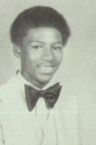
Charles Anthony Vandross was born on February 7, 1947, making him four years older than his famous brother Luther, who was born in 1951. Tragically, Charles passed away on April 30, 1991, at the young age of 44. His death occurred years before Luther reached the peak of his international fame, meaning Charles never witnessed the full extent of his brother’s global recognition and numerous Grammy Awards.
If Charles were alive today in 2025, he would be 78 years old. His relatively short life ended during what should have been his prime years, leaving behind a legacy rooted not in public achievements but in family loyalty and the quiet strength he provided to those closest to him.
Charles Anthony Vandross Bio and Early Life
Charles Anthony Vandross entered the world in Manhattan, New York, during a vibrant period in American history. Growing up in the post-World War II era, he came of age during the 1950s and early 1960s, a transformative time when soul, gospel, and rhythm and blues music were rapidly evolving and shaping American culture.
The Vandross household was filled with music, faith, and strong community values. Charles experienced childhood in a home where singing was as natural as conversation, and where African American cultural traditions were celebrated and preserved. His early years in Manhattan exposed him to the rich tapestry of New York’s musical scene, from church choirs to street performers, all of which contributed to the creative atmosphere that would later influence his younger brother’s legendary career.
As the eldest child, Charles naturally assumed additional responsibilities within the family structure. This role became even more significant following the death of his father in 1959, when Charles was only twelve years old. The loss forced him to mature quickly and step into a leadership position that would define much of his relationship with his siblings.
Charles Anthony Vandross as Luther Vandross’ Brother
The relationship between Charles and Luther Vandross was built on a foundation of shared experiences, mutual respect, and unconditional support. As the older brother, Charles witnessed Luther’s earliest musical interests and was present during formative moments that would shape the future star’s path.
During their youth, the brothers participated in musical activities together. They were both involved in “Listen My Brother,” a community theater workshop based at the Apollo Theater in Harlem. This group performed in front of tens of thousands at the Harlem Cultural Festival in 1969 and even appeared in early episodes of the children’s television show Sesame Street during its first season.
While these performances might have been stepping stones toward fame for Luther, for Charles they represented something different—opportunities to support his younger brother’s development and help him gain confidence and experience. Charles never competed with Luther’s talent or sought attention for himself. Instead, he created space for Luther to shine, demonstrating a selflessness that would characterize their relationship throughout their lives.
Luther frequently credited his family, particularly his mother and siblings, for keeping him grounded despite his enormous success. The humility and emotional balance that Luther maintained throughout his career can be traced back, in part, to the realistic perspective and steady example that Charles provided. Charles taught his younger brother the value of hard work, emotional restraint, and staying true to one’s roots—lessons that served Luther well throughout his career.
Charles Anthony Vandross Family Background
Parents: The Foundation of the Vandross Legacy
Luther Vandross Sr. (Father)
Charles’s father, Luther Vandross Sr., worked as an upholsterer and also had a passion for singing. He helped establish a strong musical foundation in the household before his untimely death in 1959 from complications related to diabetes. Luther Sr.’s passing when Charles was only twelve years old was a defining moment for the family, creating a void that would reshape family dynamics and responsibilities.
Mary Ida Shields Vandross (Mother)
After becoming a widow at a relatively young age, Mary Ida Shields Vandross became the sole caregiver and pillar of strength for her four children. Working as a licensed practical nurse, she managed to provide for her family while creating a home environment filled with love, faith, discipline, and music.
Mary Ida’s resilience and determination had a profound impact on all her children, especially Charles, who as the eldest son helped shoulder some of the burden. She encouraged creativity while instilling values of hard work and perseverance. Mary Ida lived to see Luther’s tremendous success, passing away in 2008 at the age of 82, having witnessed her son become one of the most celebrated voices in music history.
Charles Anthony Vandross Siblings
Charles was the oldest of four children in the Vandross family. His siblings included:
Luther Ronzoni Vandross Jr. (1951-2005)
Luther was born on April 20, 1951, and grew up to become one of the most celebrated R&B singers of all time. Known as “The Velvet Voice,” Luther sold over 40 million records worldwide and won eight Grammy Awards. His hits like “Never Too Much,” “Dance With My Father,” and “Here and Now” remain timeless classics. Luther struggled with health issues throughout his life and suffered a stroke in 2003, passing away in 2005 at age 54.
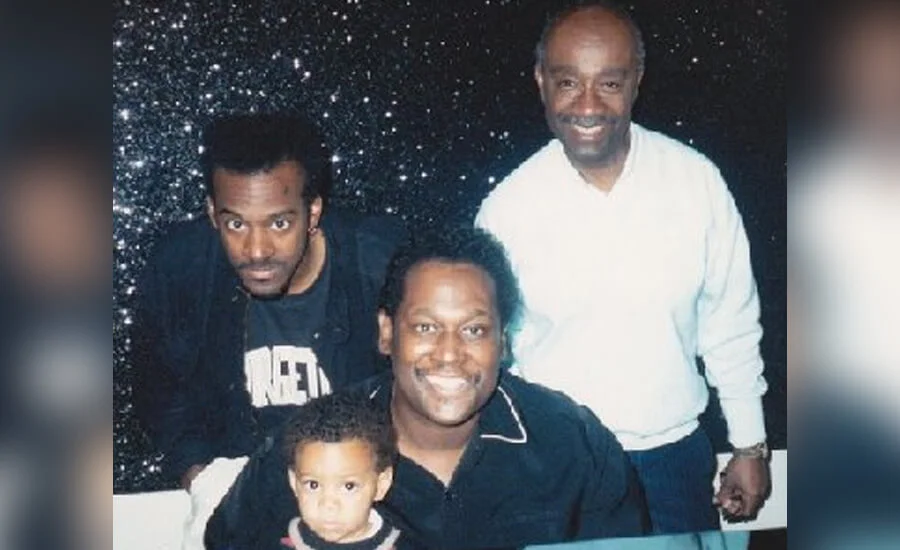
Patricia Marie Vandross Joyner
Patricia was one of Charles’s sisters who grew up in the same musical household. She maintained a relatively private life, though she was part of the close-knit family that supported Luther’s career. Tragically, Patricia passed away in 1993, adding to the series of losses the Vandross family endured.
Ann D. Vandross Sanders
Ann was another sister who remained largely out of the public eye. Like Patricia, she grew up surrounded by music and family support. Ann passed away in 1999, six years before Luther’s death.
The Vandross siblings shared a bond forged through both joy and hardship. Growing up without their father, they relied on each other and their mother for support, creating deep connections that lasted throughout their lives.
Charles Anthony Vandross Parents and Family Values
The Vandross parents instilled crucial values in their children that shaped who they became. From their father, though his time with them was cut short, Charles and his siblings learned about the joy of music and the importance of pursuing one’s passions. Luther Sr.’s love of singing created an atmosphere where musical expression was celebrated and encouraged.
From their mother, Mary Ida, the children learned resilience, determination, and the importance of family unity. After losing her husband, she could have allowed grief and hardship to overwhelm the family. Instead, she chose to create a stable, loving environment where her children could thrive despite their loss.
These combined influences—musical passion from their father and unwavering strength from their mother—created the perfect environment for nurturing talent while maintaining strong moral values. Charles embodied these lessons throughout his life, demonstrating the same quiet strength and dedication that his mother had shown.
Charles Anthony Vandross Death and Cause of Death
Charles Anthony Vandross passed away on April 30, 1991, in New York City at the age of 44. His death was a private family matter, consistent with the way he had lived his life—away from public scrutiny and media attention.
The specific cause of Charles’s death has not been widely documented or publicly disclosed. His family, respecting his preference for privacy, kept the details of his passing within their intimate circle. This lack of public information reflects the same discretion that Charles maintained throughout his life.
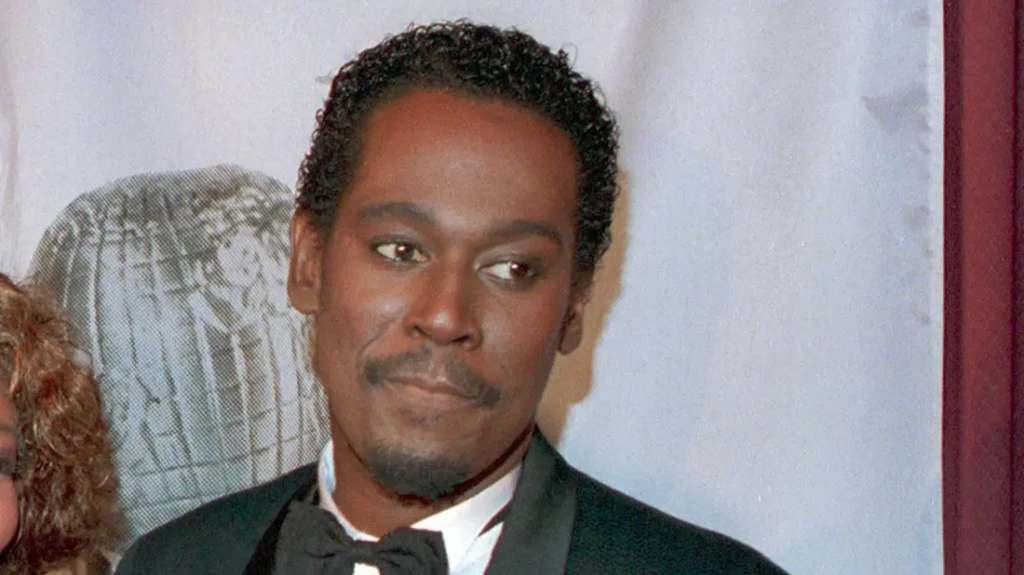
Charles’s death came at a particularly poignant time—years before his younger brother Luther would reach the absolute pinnacle of his fame and recognition. He did not live to see Luther win multiple Grammy Awards or witness the full extent of the impact his brother’s music would have on millions of people worldwide. This adds a layer of tragedy to an already sorrowful loss.
The passing of Charles was the first in a series of devastating losses for Luther Vandross. After Charles died in 1991, Luther lost his sister Patricia in 1993 and his sister Ann in 1999. These losses deeply affected Luther, and many believe they influenced the emotional depth and themes of loss and longing that permeated his later music, particularly in songs like “Dance With My Father.”
Where Is Charles Anthony Vandross Now?
Charles Anthony Vandross is no longer alive. He passed away in 1991 and is buried in New York, though the specific location of his final resting place has been kept private by his family. His legacy lives on through the memories of those who knew him and through the indirect impact he had on music history via his support of his brother Luther.
While Charles may not have left behind recordings, awards, or public achievements, his influence persists in a more intimate form. He is remembered as a loving brother, a responsible eldest son who stepped up after his father’s death, and a man of integrity who valued substance over fame.
For those seeking to honor Charles’s memory, the best way is through appreciation of the Vandross family’s story—a tale of resilience, love, and the quiet strength that allows others to shine.
Charles Anthony Vandross Nationality and Cultural Heritage
Charles Anthony Vandross was an American citizen, born and raised in Manhattan, New York City. He was of African American heritage, growing up during a significant period in African American cultural history when communities in Harlem and throughout New York City were becoming powerful centers of artistic expression, civil rights activism, and cultural pride.
The post-war era and the 1950s-60s, when Charles came of age, saw the flourishing of soul, gospel, and R&B music within African American communities. This cultural renaissance provided the backdrop for the Vandross household, where traditional gospel music, emerging R&B sounds, and community values all blended together to create a rich environment for artistic development.
Charles’s American identity was deeply intertwined with the African American experience of his generation—navigating challenges while building strong family bonds, maintaining faith, and celebrating cultural traditions through music and community engagement.
Charles Anthony Vandross’ Professional Life and Career
Unlike his brother Luther, Charles Anthony Vandross did not pursue a career in the entertainment industry. While specific details about his professional life are limited due to his preference for privacy, accounts from family members and close friends indicate that Charles worked in more traditional, steady employment that allowed him to provide financial and emotional support to his family.
Charles’s decision to stay away from the music business was deliberate. He had no interest in capitalizing on his family’s musical talents or using his brother’s growing fame for personal gain. Instead, he focused on creating stability and security for himself and his loved ones through honest, hardworking employment outside the spotlight.
This choice reflects Charles’s character and values. In an era where many people connected to celebrities seek to leverage those relationships for personal advancement, Charles stood as an example of integrity and humility. He found meaning not in public recognition but in being a reliable presence for those he cared about.
His career, whatever its specific nature, was successful in the ways that mattered most to him—it provided for his needs, allowed him to maintain his independence, and gave him the flexibility to be there for his family when they needed him.
More Read

The Lasting Legacy of Charles Anthony Vandross
Charles Anthony Vandross may not be remembered through chart-topping songs, sold-out concerts, or Grammy Awards, but his legacy is nonetheless significant. He represents the countless unsung heroes who support greatness from behind the scenes—the family members who provide encouragement, stability, and unconditional love that allow others to pursue their dreams.
His life teaches several important lessons:
The Value of Humility: In a world that often celebrates self-promotion and personal branding, Charles demonstrated that there is nobility in choosing a quiet life focused on supporting others rather than seeking the spotlight.
The Importance of Family: Charles’s dedication to his family, particularly his role in helping to support his siblings after their father’s death, shows the power of familial bonds and the difference one person can make in the lives of those they love.
Success Beyond Fame: Charles’s story reminds us that success can be measured in many ways. While Luther achieved public success through his music, Charles achieved personal success through his integrity, loyalty, and the positive impact he had on those closest to him.
The Foundation of Greatness: Behind every successful person are often family members, mentors, and supporters whose contributions may not be visible but are absolutely essential. Charles was part of the foundation that allowed Luther Vandross to become the legend we remember today.
Conclusion
Charles Anthony Vandross lived a life defined not by public accolades but by private virtues—loyalty, humility, and unwavering family support. As the older brother of Luther Vandross, he played a crucial role in creating the nurturing environment that helped develop one of the greatest voices in music history. Though he passed away in 1991 at the age of 44, his influence lives on through the legacy of his famous brother and the example he set of living with integrity and purpose.
His story serves as a powerful reminder that not all heroes stand in the spotlight. Some, like Charles Anthony Vandross, work quietly in the background, providing the support and stability that allow others to shine. In remembering Charles, we honor not just one man’s life, but the countless family members and supporters whose contributions shape the artists and achievers we celebrate.
The Vandross family’s story—marked by musical talent, tragic losses, and enduring love—is incomplete without acknowledging Charles’s role in it. He was the eldest son who stepped up when his father died, the supportive brother who encouraged Luther’s talent, and the humble man who chose substance over fame. That is a legacy worth celebrating and remembering.