




Discover Arlene Litman’s life story, Lisa Bonet’s mother who shaped the actress’s values. Explore her Jewish heritage, marriage to Allen Bonet, family legacy, and lasting influence on her daughter’s career.
Quick Facts About Arlene Litman
| Attribute | Details |
|---|---|
| Full Name | Arlene Joyce Litman |
| Ethnicity | Ashkenazi Jewish |
| Nationality | American |
| Famous For | Mother of actress Lisa Bonet |
| Spouse | Allen Bonet (m. 1967; div. late 1980s) |
| Children | Lisa Bonet (born 1967) |
| Occupation | Music teacher |
| Death | 1998 |
| Age at Death | Approximately 50s |
| Legacy | Influenced Lisa Bonet’s artistic sensibilities and cultural identity |
Arlene Litman Biography: The Woman Behind the Icon
Arlene Joyce Litman remains a figure of quiet significance in entertainment history, not for her own spotlight moments, but for the profound influence she had on one of television’s most groundbreaking actresses. As the mother of Lisa Bonet, who captivated audiences as Denise Huxtable on “The Cosby Show,” Arlene’s story is one of cultural bridging, artistic nurturing, and a legacy that transcends her relatively private life.
Born into an Ashkenazi Jewish family, Arlene grew up immersed in the rich traditions and values of her heritage. Her upbringing instilled in her a deep appreciation for education, cultural identity, and the arts—values she would later pass down to her daughter. While much of her early life remains away from public scrutiny, what’s clear is that Arlene possessed a passion for music and education that would define her professional path.
As a music teacher, Arlene dedicated herself to nurturing creativity in others. This wasn’t merely a job but a calling that reflected her belief in the transformative power of artistic expression. Her approach to teaching emphasized not just technical skill but emotional connection to music, a philosophy that would profoundly shape her daughter’s approach to acting and life.
Arlene Litman Lisa Bonet Mother: A Relationship That Shaped a Star
The relationship between Arlene Litman and Lisa Bonet was foundational to the actress’s development, both personally and professionally. When Lisa was born in 1967 in San Francisco, California, she entered a household where creativity wasn’t just encouraged—it was a way of life.

Arlene recognized her daughter’s artistic inclinations early on and fostered them with intentionality. She exposed Lisa to diverse cultural experiences, from music and theater to literature and visual arts. This broad artistic education gave Lisa the tools to become the nuanced, introspective performer audiences came to admire.
More importantly, Arlene taught Lisa to embrace her multiracial identity with pride. In an era when mixed-race children often faced pressure to choose one cultural identity over another, Arlene ensured Lisa understood and celebrated both her Jewish heritage through her mother and her African American heritage through her father. This balanced approach to identity would become a hallmark of Lisa Bonet’s public persona—someone who moved fluidly between different cultural spaces with authenticity and grace.
Friends and family members have noted that Arlene was a progressive parent who encouraged independent thinking and self-expression. She didn’t push Lisa toward conventional paths but instead supported her daughter’s unique artistic vision, even when it led to unconventional choices in her career.
Arlene Litman Jewish Heritage: Cultural Roots and Identity
Arlene Litman’s Jewish heritage was a cornerstone of her identity and played a significant role in how she raised her daughter. Coming from Ashkenazi Jewish roots, Arlene carried forward traditions that had been passed down through generations of her family.
The Jewish emphasis on education, social justice, and cultural preservation were values Arlene held dear. She ensured that Lisa understood this aspect of her heritage, even as she grew up in a predominantly African American community through her father’s connections. This dual cultural education was unusual for the time and gave Lisa a broader perspective on identity, belonging, and social consciousness.
Jewish cultural values—including the importance of questioning, intellectual curiosity, and standing up for justice—can be seen reflected in Lisa Bonet’s career choices. Her willingness to take on challenging roles, her advocacy for social causes, and her refusal to be boxed into industry stereotypes all echo the values Arlene instilled in her.
Arlene’s approach to passing down her heritage wasn’t about rigid adherence to tradition but about understanding the deeper principles that made those traditions meaningful. She wanted Lisa to know where she came from while having the freedom to forge her own path.
Arlene Litman Allen Bonet: A Union of Two Worlds
The marriage between Arlene Litman and Allen Bonet represented a union that was ahead of its time. Allen Bonet, an African American opera singer, and Arlene, a Jewish music teacher, came together in the 1960s—an era when interracial marriages were still controversial in many parts of America.
Their shared love of music formed the foundation of their relationship. Both were artists who understood the language of creativity and expression, and this common ground helped them navigate the challenges that came with their interracial marriage. They married in 1967, the same year the Supreme Court struck down laws banning interracial marriage in Loving v. Virginia, placing their union within a pivotal moment in American civil rights history.
Together, Arlene and Allen created a household where artistic excellence and cultural diversity were celebrated. Their home was filled with music—from opera to jazz to classical—providing Lisa with an extraordinarily rich sonic environment during her formative years.
However, like many marriages, theirs faced challenges. The couple eventually divorced in the late 1980s, though both remained committed to co-parenting Lisa. Despite the dissolution of their marriage, the cultural and artistic foundation they built together continued to influence their daughter throughout her life and career.
Arlene Litman Family: Beyond the Famous Daughter
While Lisa Bonet is undoubtedly the most publicly known member of Arlene Litman’s immediate family, Arlene’s own family background and relationships paint a fuller picture of who she was as a person.
Arlene came from a Jewish family with roots in the immigrant experience that shaped so many American Jewish communities. Her family likely valued education, hard work, and cultural preservation—hallmarks of the Ashkenazi Jewish experience in America. These family values became the bedrock of how Arlene approached motherhood and her career in education.
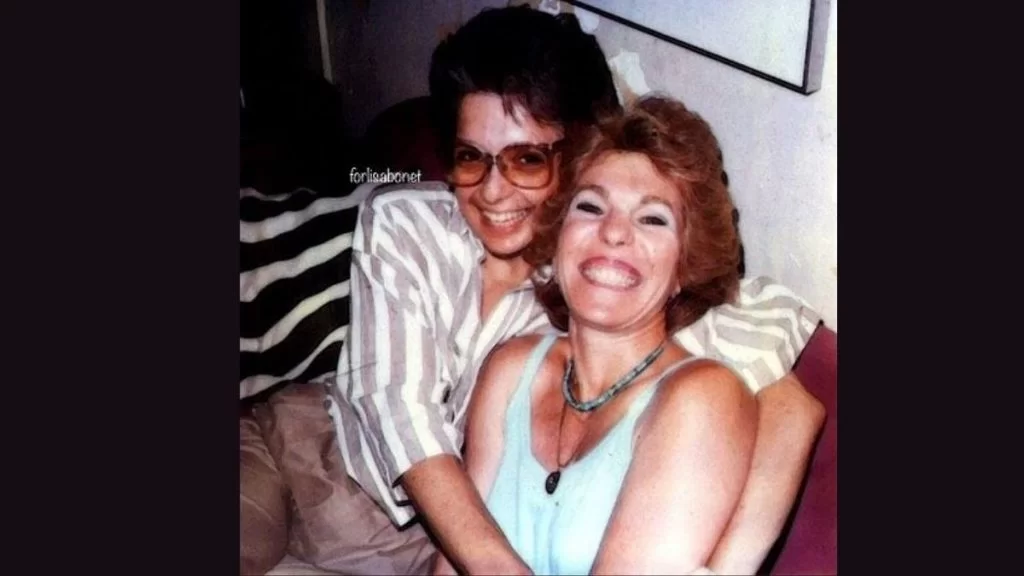
As a mother, Arlene was devoted to Lisa, but she also maintained her own identity and professional life. She didn’t see her role as simply being “Lisa Bonet’s mother” but as an educator and artist in her own right. This modeling of independent identity while being a present parent provided Lisa with an example of how to balance personal ambition with family responsibilities.
Arlene’s extended family connections, though not extensively documented in public records, were part of the support system that helped her navigate single motherhood after her divorce from Allen. The Jewish community’s emphasis on family and mutual support likely provided Arlene with networks of assistance during challenging times.
Arlene Litman Death: A Loss That Shaped Lisa’s Journey
Arlene Litman passed away in 1998 at approximately 50 years of age—a loss that came far too early and profoundly affected Lisa Bonet. The cause of death has been kept private by the family, reflecting their desire to maintain dignity and privacy around this painful chapter.
For Lisa, losing her mother in her early thirties represented the loss of her primary anchor and guide. Arlene had been not just a parent but a mentor, confidante, and source of wisdom. The grief from this loss influenced Lisa’s work and personal life in the years that followed.
In interviews following her mother’s death, Lisa has spoken about the lasting impact Arlene had on her values and approach to motherhood. Lisa has often credited her mother with teaching her to trust her instincts, stand firm in her convictions, and prioritize authenticity over conformity—lessons that became even more precious after Arlene’s passing.
The loss also deepened Lisa’s commitment to passing down the values and traditions she learned from her mother to her own children. In many ways, Arlene’s legacy lives on not just through Lisa but through Lisa’s children, who carry forward the multicultural, artistic sensibility that Arlene first cultivated.
More Read

Arlene Litman Today: A Legacy That Endures
Though Arlene Litman passed away over two decades ago, her influence continues to resonate today through her daughter’s work, values, and approach to life. When we consider Arlene Litman’s impact in the present day, we’re really examining how foundational relationships shape who we become and how values pass through generations.
Lisa Bonet’s distinctive career path—characterized by artistic integrity over commercial success, social consciousness, and a refusal to be stereotyped—reflects the values Arlene instilled. Lisa’s approach to motherhood with her own children, including actress Zoë Kravitz, carries forward Arlene’s emphasis on cultural pride, artistic exploration, and independent thinking.
Zoë Kravitz, in particular, represents the continuation of Arlene’s legacy into a third generation. As a successful actress, model, and singer, Zoë embodies the same multicultural fluidity and artistic commitment that Arlene first nurtured in Lisa. The creative lineage from Arlene through Lisa to Zoë demonstrates how one woman’s values and approach to parenting can influence multiple generations.
Today, Arlene Litman’s story also serves as a reminder of the countless women who shape culture from behind the scenes. While she never sought fame herself, her influence on one of the most iconic television actresses of the 1980s and 1990s made her an indirect architect of cultural change. She helped raise a daughter who challenged racial stereotypes on television, brought depth and authenticity to her roles, and inspired countless young women of color to see themselves reflected on screen.
In an era where we increasingly recognize the importance of diverse representation and cultural fluidity, Arlene’s approach to raising a biracial child with pride in both heritages seems remarkably forward-thinking. She understood instinctively what researchers and sociologists would later confirm: that children who embrace all aspects of their heritage tend to have stronger identities and greater resilience.
The Enduring Impact of a Teacher and Mother
Arlene Litman’s life reminds us that influence isn’t always measured in public achievements or fame. As a music teacher, she shaped young minds through the power of artistic expression. As a mother, she raised a daughter who would go on to break barriers and inspire millions. As a woman navigating an interracial marriage in a challenging era, she demonstrated courage and commitment to love across cultural boundaries.
Her legacy is written in the choices Lisa Bonet has made, the values Lisa has passed to her children, and the cultural conversations Lisa’s work has sparked. Arlene Litman may not be a household name, but her influence echoes through generations, a testament to the profound impact one dedicated, loving, and principled woman can have on the world.