








Discover Andrew Weissmann’s net worth in 2025, his role in the Mueller investigation, career as a federal prosecutor, bestselling book, and current activities as NYU professor and legal analyst.
Quick Facts About Andrew Weissmann
| Attribute | Details |
|---|---|
| Full Name | Andrew A. Weissmann |
| Date of Birth | March 17, 1958 |
| Age | 67 years old (as of 2025) |
| Birthplace | New York City, New York, USA |
| Net Worth (2025) | Estimated $3-18 million |
| Profession | Attorney, Professor, Author, Legal Analyst |
| Education | Princeton University (BA), Columbia Law School (JD) |
| Spouse | Debra Weissmann |
| Children | Benjamin Weissmann |
| Current Position | Professor at NYU School of Law, MSNBC Legal Analyst |
| Notable Book | Where Law Ends: Inside the Mueller Investigation (2020) |
Andrew Weissmann Net Worth: Financial Profile of a Distinguished Legal Career
Andrew Weissmann net worth in 2025 reflects a distinguished career spanning public service, private practice, media commentary, and authorship. Financial estimates vary considerably, with credible sources placing his net worth between $3 million and $18 million. The variation stems from differing methodologies and the private nature of personal financial information.
According to recent financial analysis, Weissmann’s net worth sits around $3 million based on his extensive government service and subsequent private sector work. This estimation aligns with typical earnings for senior legal professionals who dedicated significant portions of their careers to public service rather than high-paying corporate law positions.
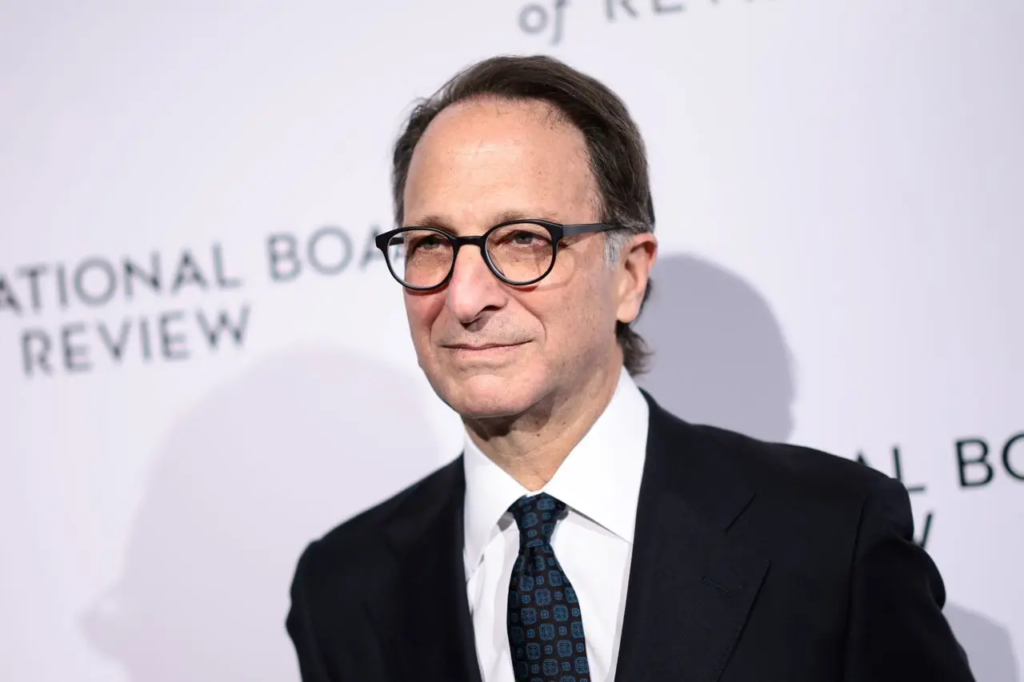
His wealth accumulation differs markedly from corporate attorneys who spend entire careers in private practice. Federal prosecutors, even at senior levels, earn modest salaries compared to partners at major law firms. However, Weissmann diversified his income streams through multiple channels including private legal practice, book royalties, media appearances, speaking engagements, and academic positions.
The financial trajectory of his career demonstrates the trade-offs between public service and private sector compensation. While government positions provided stability and prestige, his subsequent roles at Jenner & Block, media work with MSNBC, and bestselling authorship significantly boosted his earnings beyond typical federal salary scales.
Andrew Weissmann Biography: From New York to Legal Prominence
Born on March 17, 1958, in New York City, Andrew Weissmann grew up with a strong foundation in ethics and education. He attended the prestigious Ethical Culture Fieldston School, which emphasized social justice and moral responsibility—values that would shape his entire legal career.
Weissmann pursued higher education at Princeton University, graduating with a Bachelor of Arts degree in 1980. His academic excellence earned him a Fulbright scholarship to the University of Geneva, where he studied international law. He then attended Columbia Law School, receiving his Juris Doctor in 1984 and serving on the managing board of the Columbia Law Review.
After law school, Weissmann clerked for Judge Eugene Nickerson in the United States District Court for the Eastern District of New York, gaining invaluable courtroom experience that laid the foundation for his prosecutorial career.
Andrew Weissmann Age and Career Timeline
At 67 years old in 2025, Andrew Weissmann has built one of the most impressive legal careers in modern American history. His journey spans four decades of prosecutorial work, leadership positions, and academic contributions.
His career began in 1991 when he joined the U.S. Attorney’s Office for the Eastern District of New York as an Assistant U.S. Attorney. Over eleven years, he prosecuted more than 25 cases, many involving notorious organized crime families including the Genovese, Colombo, and Gambino families. His prosecution of Mafia boss Vincent “The Chin” Gigante resulted in a landmark conviction.
The age and experience Weissmann brought to each subsequent role made him an invaluable asset to federal law enforcement. His maturity and tactical brilliance became particularly evident during high-stakes investigations that required both legal expertise and political acumen.
Andrew Weissmann Lawyer Career: A Legacy of High-Profile Prosecutions
Andrew Weissmann’s lawyer career stands as a testament to dedication, intelligence, and an unwavering commitment to justice. His professional journey encompasses some of the most significant legal cases in recent American history.
Early Prosecutorial Work (1991-2002)
During his tenure as an Assistant U.S. Attorney in the Eastern District of New York, Weissmann earned a reputation as a formidable prosecutor. He tackled organized crime with unprecedented success, leading prosecution teams against powerful crime families. His work on the Vincent Gigante case showcased his ability to build complex RICO cases against defendants who had evaded justice for decades.

Enron Task Force Leadership (2002-2005)
President George W. Bush appointed Weissmann as Deputy Director and then Director of the FBI’s Enron Task Force. Under his leadership, the task force prosecuted more than 30 individuals connected to the Enron scandal, including top executives Andrew Fastow, Kenneth Lay, and Jeffrey Skilling.
The New York Times characterized Weissmann as a “pitbull” during the Enron prosecution. His aggressive tactics resulted in one controversial conviction—the Arthur Andersen case—which was later overturned 9-0 by the Supreme Court. Despite this setback, the Enron prosecutions remain among the most successful corporate fraud cases in American history.
FBI General Counsel (2011-2013)
Weissmann served as General Counsel for the Federal Bureau of Investigation under Director Robert Mueller during President Barack Obama’s administration. This position placed him at the intersection of national security and law enforcement, shaping FBI policy on critical issues.
Department of Justice Fraud Section Chief (2015-2017)
As Chief of the Criminal Fraud Section at the U.S. Department of Justice, Weissmann oversaw federal fraud prosecutions nationwide. This role prepared him for his most visible assignment yet.
Andrew Weissmann Mueller Investigation: Architect of the Manafort Case
Andrew Weissmann’s involvement in the Mueller investigation represents perhaps the most scrutinized period of his career. On June 19, 2017, he joined Special Counsel Robert Mueller’s team to investigate Russian interference in the 2016 presidential election and possible coordination with the Trump campaign.
Role as Lead Prosecutor
Weissmann was described as “the architect of the case against former Trump campaign chairman Paul Manafort.” He led the prosecution team that investigated Manafort’s financial dealings, resulting in multiple convictions for tax fraud, bank fraud, and conspiracy charges.
The investigation revealed that Manafort provided polling data to Konstantin Kilimnik, later confirmed to be a Russian intelligence operative. This discovery represented one of the most significant findings regarding potential coordination between the Trump campaign and Russian operatives.

Inside the Investigation
The Mueller investigation lasted 22 months, from May 2017 to March 2019. Weissmann and his colleagues faced unprecedented challenges, including constant threats from President Trump to shut down the inquiry, dangling of pardons to potential witnesses, and attempts by Attorney General William Barr to shape the final report’s presentation.
Weissmann later revealed internal debates within the team about whether to subpoena President Trump, conduct full financial investigations, and explicitly recommend obstruction charges. These deliberations highlighted the immense political pressure under which the team operated.
Aftermath and Criticism
The investigation concluded without bringing conspiracy charges against President Trump, though the report documented multiple instances of potential obstruction of justice. Weissmann later expressed frustration with the investigation’s limitations and Mueller’s cautious approach.
In December 2020, President Trump pardoned several individuals convicted during the investigation, including Paul Manafort, George Papadopoulos, and Roger Stone—moves Weissmann had predicted and criticized as undermining the rule of law.
Andrew Weissmann Book: Where Law Ends
Publication and Reception
In September 2020, Andrew Weissmann published “Where Law Ends: Inside the Mueller Investigation,” providing the first insider account of the Special Counsel’s Office. The book became a New York Times bestseller, offering unprecedented insights into one of the most significant investigations in American political history.
Key Revelations
The book pulls back the curtain on internal team dynamics, revealing heated debates and difficult decisions. Weissmann candidly discusses what he views as the investigation’s successes and failures, including:
- The decision not to subpoena President Trump for in-person testimony
- Limitations placed on financial investigations into Trump’s business dealings
- The team’s struggle with how to present findings on obstruction of justice
- Attorney General Barr’s controversial summary that Weissmann believed misrepresented the report’s findings
Critical Acclaim
The New York Times praised the book, noting that “Weissmann delivers the kind of forceful, ringing indictment that Mueller’s report did not.” The Washington Post called it “a clarifying piece of history, wrapped up in our era’s boundless anger and suspicion.”
Publishers Weekly described it as “an essential record of what the Mueller investigation proved and why it failed to bring Trump down.”
Mueller’s Response
Former Special Counsel Robert Mueller issued a statement in response to the book, expressing disappointment with criticism based on what he called “incomplete information.” Mueller defended the investigation’s integrity and the decisions made, creating a rare public disagreement between former colleagues.
Andrew Weissmann Family: Private Life of a Public Figure
Marriage to Debra Weissmann
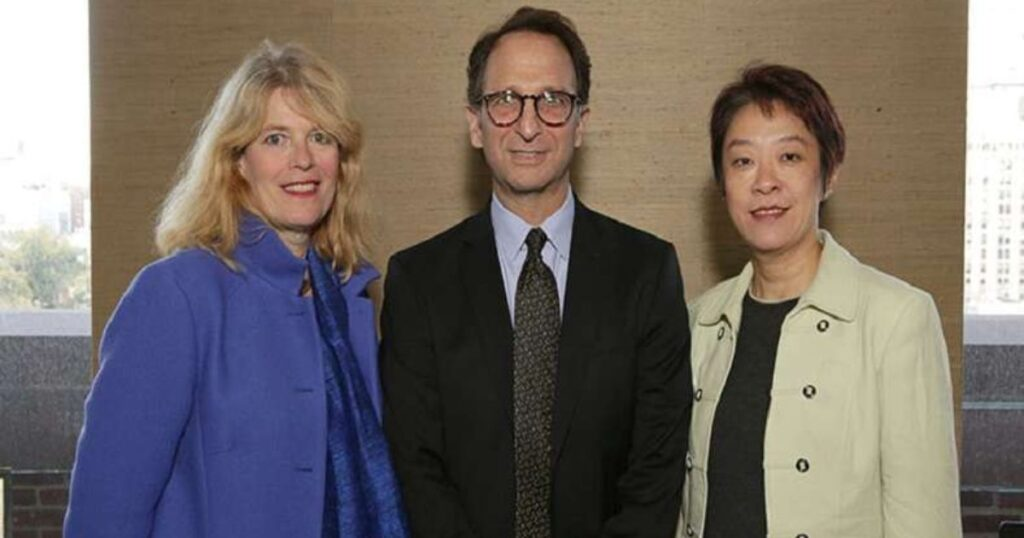
Andrew Weissmann is married to Debra Weissmann, an accomplished attorney and law professor in her own right. Debra serves as the Reef C. Ivey II Distinguished Professor of Law at the University of North Carolina School of Law.
Debra graduated Phi Beta Kappa from Syracuse University with a Bachelor of Arts in 1972 and earned her Juris Doctor from the same institution in 1975. Her career spans civil rights law, immigration law, labor law, and family law. She has been recognized with the ACLU’s Frank Porter Graham Award for her exceptional civil rights work.
The couple maintains a notably private personal life despite Andrew’s high-profile career. They rarely discuss their relationship publicly, preferring to keep family matters separate from professional obligations.
Children
Andrew and Debra have one son, Benjamin Weissmann, who followed in his parents’ footsteps by attending Harvard Law School. Benjamin is now a practicing attorney, continuing the family’s legal legacy.
The Weissmann family exemplifies the balance between demanding professional careers and maintaining strong personal relationships. Despite the intense scrutiny Andrew faced during the Mueller investigation and beyond, his family provided crucial support and stability.
Andrew Weissmann Salary: Earnings Across Public and Private Sectors
Government Service Compensation
During his decades in government service, Weissmann earned salaries consistent with federal pay scales for senior attorneys. As an Assistant U.S. Attorney, FBI General Counsel, and DOJ Fraud Section Chief, his compensation was substantial for public service but modest compared to private sector legal work.
Federal prosecutors at senior levels typically earn between $150,000 and $250,000 annually, depending on grade and experience. These positions offer stability, prestige, and pension benefits but lack the lucrative compensation packages available at major law firms.
Private Practice Earnings
Weissmann worked at Jenner & Block, a prestigious law firm, during two separate periods. As a partner and later co-chair of the investigations, compliance, and defense practice, his earnings significantly exceeded government salaries. Partners at elite law firms often earn seven-figure annual incomes through billable hours, client retention, and firm profits.
Media and Speaking Income
Since joining MSNBC as a legal analyst in 2019, Weissmann has earned additional income through television appearances. Legal analysts at major networks typically earn between $84,000 and substantially more for experienced commentators with high profiles.
He co-hosts the MSNBC podcast “Main Justice” (formerly “Prosecuting Donald Trump”), which won Webby Awards in 2024. Podcasting adds another revenue stream through sponsorships and platform partnerships.
Weissmann also earns speaking fees from legal conferences, universities, and professional organizations where his expertise commands premium rates.
Academic Compensation
As a Professor of Practice at NYU School of Law, Weissmann receives an academic salary while teaching courses in national security and criminal procedure. Law school professors at prestigious institutions earn competitive salaries, typically ranging from $200,000 to over $400,000 for distinguished positions.
Andrew Weissmann DOJ: Department of Justice Legacy
Andrew Weissmann’s relationship with the Department of Justice spans over two decades and represents the core of his professional identity. His DOJ career began in 1991 and included multiple high-level positions that shaped federal prosecution strategies.
Building Institutional Knowledge
As an Assistant U.S. Attorney for eleven years, Weissmann developed deep institutional knowledge of federal prosecution. He learned the intricate procedures, ethical standards, and strategic approaches that define DOJ culture.
Leadership Roles
His appointment as Chief of the Criminal Fraud Section from 2015 to 2017 placed him in charge of federal fraud prosecutions nationwide. This position required managing complex cases, coordinating with other federal agencies, and setting prosecutorial priorities.
Ethical Standards and Controversy
Weissmann maintained that his prosecutions upheld DOJ’s ethical standards, though critics sometimes questioned his aggressive tactics. The Arthur Andersen case, overturned by the Supreme Court, raised questions about prosecutorial discretion and jury instructions.
Current DOJ Challenges
In 2025, Weissmann continues commenting on DOJ policies and practices through his media work. He has been critical of what he perceives as politicization of the department and erosion of institutional norms, particularly regarding investigations involving political figures.
More Read

Andrew Weissmann Today: Current Activities and Influence
Academic Career at NYU
Andrew Weissmann currently serves as a Professor of Practice at NYU School of Law, where he teaches courses in national security law and criminal procedure. His classroom brings real-world prosecutorial experience to students preparing for legal careers.
He holds positions as a Distinguished Senior Fellow at the Reiss Center on Law and Security and the Center on the Administration of Criminal Law. These roles allow him to shape academic discourse on critical legal issues.
Media Presence
Weissmann remains a frequent legal analyst for MSNBC and NBC News, providing expert commentary on major legal developments. His analysis carries particular weight given his insider experience with high-profile investigations.
He co-hosts the podcast “Main Justice” with former prosecutor Mary McCord, discussing current legal and political issues. The podcast continues the work of their previous show “Prosecuting Donald Trump,” which won multiple Webby Awards.
Weissmann also publishes a Substack newsletter called “Behind The Headlines,” offering deeper analysis than television segments allow.
Writing and Commentary
Beyond his book, Weissmann writes regularly for prestigious publications including The New York Times, The Atlantic, and The Washington Post. He serves on the board of Just Security, a law and policy journal, and contributes frequent analysis to their platform.
Recent Developments
In March 2025, President Trump issued an executive order against Jenner & Block that suspended security clearances for lawyers at the firm and restricted their access to government buildings. The order specifically mentioned Weissmann’s employment, reflecting ongoing political tensions.
In December 2025, Weissmann parted ways with Jenner & Block amid a defamation lawsuit by former Trump White House lawyer Stefan Passantino. He assembled a new legal team including veteran litigator Faith Gay to defend the case.
Public Speaking
Weissmann continues speaking at legal conferences, universities, and public events. In September 2025, he was announced as the headline speaker for the Virginia Tay Memorial Lecture Series in Hingham, Massachusetts, where he will discuss the rule of law in America.
Continued Influence
Despite leaving government service, Weissmann remains one of the most influential legal voices in America. His combination of prosecutorial experience, academic position, media platform, and writing creates a unique position from which to shape public understanding of legal issues.
His ongoing commentary on Trump-related legal cases, DOJ policies, and rule of law concerns ensures he remains central to critical national conversations about justice and democracy.
Conclusion: Legacy of Excellence and Controversy
Andrew Weissmann’s career embodies the complexities of American law enforcement in the 21st century. His net worth, while substantial, reflects a career prioritizing public service over private wealth. His prosecutorial record includes landmark victories against organized crime and corporate fraud alongside controversial tactics that drew Supreme Court reversal.
The Mueller investigation cemented his place in American political history, though the full assessment of that work remains contested. His book provided crucial transparency about the investigation’s internal workings while sparking debate about prosecutorial decision-making under political pressure.
Today, Weissmann continues shaping legal discourse through teaching, writing, and media commentary. Whether viewed as a dedicated public servant or aggressive prosecutor, his influence on American law enforcement is undeniable. His story illustrates both the possibilities and limitations of prosecutorial power in a democracy where legal accountability intersects with political reality.
At 67, Andrew Weissmann shows no signs of retreating from public life. His voice remains essential in debates about justice, accountability, and the rule of law in an increasingly polarized America.