






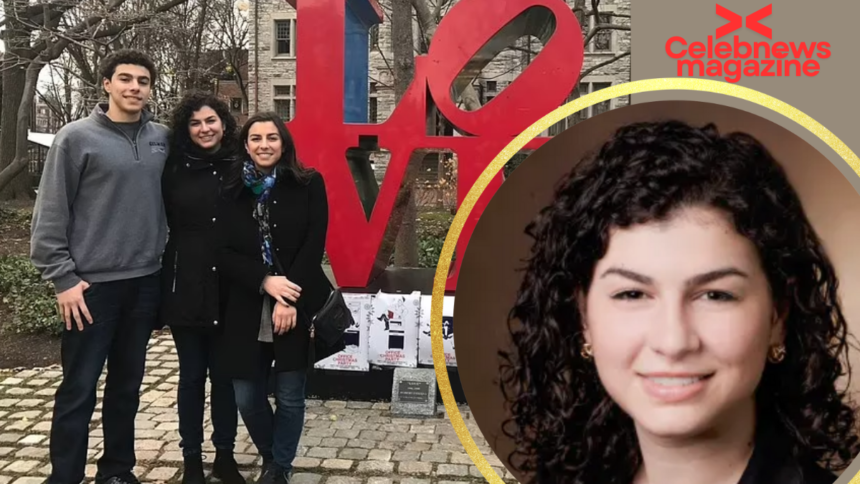

Discover Dr. Mariasanta Mangione, a rising cardiologist and physician-scientist at Vanderbilt University. Learn about her research, publications, education at UT Southwestern, and contributions to cardiovascular medicine and health equity.
Quick Facts: Dr. Mariasanta Mangione
| Category | Details |
|---|---|
| Full Name | Mariasanta Mangione, MD |
| Profession | Cardiologist, Physician-Scientist |
| Current Position | Cardiovascular Medicine Fellow |
| Institution | Vanderbilt University Medical Center |
| Medical Education | UT Southwestern Medical Center |
| Specialization | Cardiovascular Medicine, Health Equity Research |
| Research Focus | Cardiometabolic Disease, Health Disparities |
| Notable Achievement | Published researcher in cardiovascular health |
Introduction: A Dedicated Voice in Modern Cardiology

The field of cardiovascular medicine continues to evolve with emerging challenges, from rising rates of heart disease to persistent health disparities across different populations. At the forefront of addressing these issues stands Dr. Mariasanta Mangione, a physician-scientist whose work bridges clinical excellence with meaningful research. Her commitment to understanding the complexities of heart disease while advocating for underserved communities positions her as a notable figure among the next generation of cardiologists.
Dr. Mangione represents a growing cohort of medical professionals who recognize that effective healthcare requires more than technical skill—it demands a comprehensive understanding of the social, economic, and systemic factors that influence patient outcomes. Her journey through prestigious medical institutions and her dedication to both patient care and scientific inquiry make her story particularly relevant for those interested in the future of cardiovascular medicine.
Mariasanta Mangione Biography: Educational Foundation and Medical Training
Dr. Mariasanta Mangione’s path to becoming a cardiologist reflects a commitment to rigorous academic preparation and clinical excellence. Her medical education laid the groundwork for her current role as both a practicing physician and an active researcher in cardiovascular medicine.
Like many accomplished physicians, Dr. Mangione pursued her medical degree at an institution known for producing leaders in healthcare. Her training emphasized not only the technical aspects of medicine but also the importance of research, critical thinking, and patient-centered care. These foundational years shaped her understanding of how medicine intersects with public health and social justice.
Throughout her medical training, she demonstrated a particular interest in understanding why certain populations experience disproportionately higher rates of cardiovascular disease. This curiosity would later inform her research focus and clinical approach, distinguishing her as a physician who looks beyond symptoms to address root causes of health inequities.
Mariasanta Mangione UT Southwestern: Building Research Expertise
Dr. Mangione’s connection to UT Southwestern Medical Center represents a significant chapter in her professional development. UT Southwestern, located in Dallas, Texas, is consistently ranked among the top medical schools in the United States and is renowned for its research programs, particularly in cardiovascular medicine.
During her time associated with UT Southwestern, Dr. Mangione engaged with cutting-edge research and learned from leaders in cardiology and internal medicine. The institution’s emphasis on translating basic science discoveries into clinical applications provided an ideal environment for someone interested in both laboratory research and patient care.
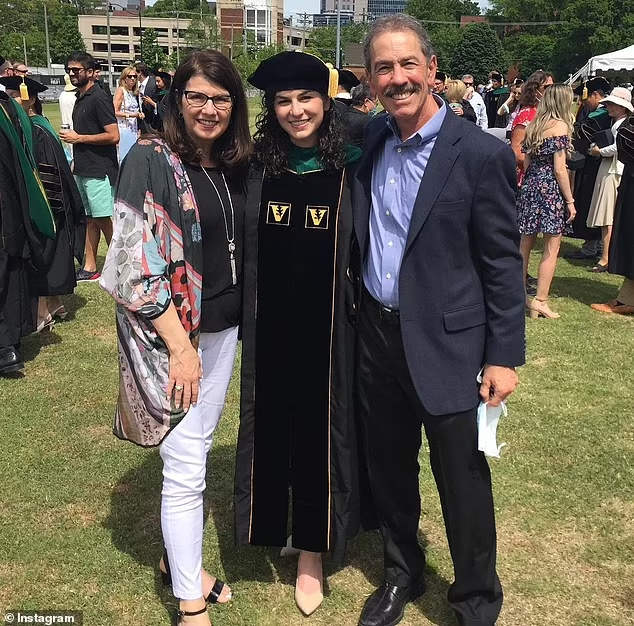
UT Southwestern’s strong focus on health disparities research likely influenced Dr. Mangione’s own research interests. The Dallas-Fort Worth area presents unique opportunities to study diverse patient populations, and the medical center has established programs dedicated to understanding and addressing health inequities. This exposure helped shape her perspective on how social determinants affect cardiovascular outcomes.
The research infrastructure at UT Southwestern, including access to advanced imaging technologies, biostatistical support, and collaborative networks, provided Dr. Mangione with tools essential for conducting meaningful cardiovascular research. These resources enabled her to develop the methodological skills necessary for her ongoing work in cardiometabolic disease.
Mariasanta Mangione Vanderbilt: Current Position and Clinical Focus
Dr. Mariasanta Mangione currently serves as a cardiovascular medicine fellow at Vanderbilt University Medical Center in Nashville, Tennessee. This position represents the culmination of years of medical training and marks her specialization in one of medicine’s most demanding and impactful fields.
Vanderbilt University Medical Center is internationally recognized for its cardiovascular programs, offering fellows exposure to complex cases, advanced treatment modalities, and a robust research environment. The institution’s cardiovascular division is known for its comprehensive approach to heart disease, integrating clinical care, research, and education.
As a fellow at Vanderbilt, Dr. Mangione receives advanced training in diagnosing and treating the full spectrum of cardiovascular conditions, from coronary artery disease and heart failure to arrhythmias and structural heart disease. The fellowship experience involves managing critically ill patients, performing and interpreting diagnostic procedures, and participating in multidisciplinary care teams.
Beyond clinical training, Vanderbilt’s fellowship program encourages scholarly activity, allowing Dr. Mangione to continue developing her research portfolio. The institution’s commitment to addressing health disparities aligns well with her research interests, providing opportunities to investigate how social and economic factors contribute to cardiovascular risk.
Vanderbilt’s location in Nashville also offers unique perspectives on healthcare delivery in the American South, a region with particularly high rates of cardiovascular disease and significant health disparities. This geographical context adds important dimensions to Dr. Mangione’s understanding of the challenges facing cardiovascular medicine today.
Mariasanta Mangione Cardiology: Research and Clinical Interests
Dr. Mangione’s approach to cardiology reflects an integration of clinical practice with research aimed at improving outcomes for diverse patient populations. Her work in cardiovascular medicine focuses on understanding the complex interplay between metabolic health and heart disease.
Cardiometabolic disease—the intersection of cardiovascular conditions with metabolic disorders like diabetes and obesity—represents one of the most pressing challenges in modern medicine. These conditions often occur together, creating compounding health risks that are particularly prevalent in underserved communities. Dr. Mangione’s interest in this area positions her work at a critical juncture where effective interventions could significantly impact public health.

Her clinical perspective is informed by recognition that traditional cardiovascular risk assessment tools may not adequately capture risk in all populations. Factors such as access to healthy food, safe spaces for physical activity, exposure to chronic stress, and quality of preventive care all influence cardiovascular outcomes but are often overlooked in standard clinical assessments.
This comprehensive view of cardiovascular health drives Dr. Mangione to consider not just how to treat heart disease once it develops, but how to prevent it from occurring in the first place, particularly in communities that have historically faced barriers to quality healthcare.
Mariasanta Mangione Publications: Contributing to Medical Literature
Dr. Mangione’s commitment to advancing medical knowledge extends beyond patient care to include contributions to the scientific literature. Her publications reflect her research interests and demonstrate her engagement with important questions in cardiovascular medicine and health equity.
Publishing in medical journals serves multiple purposes: it disseminates new findings to the broader medical community, subjects research to peer review for quality assurance, and contributes to the evidence base that guides clinical practice. For physician-scientists like Dr. Mangione, publication represents a way to influence healthcare delivery beyond the patients they personally treat.
Her research contributions likely address questions related to cardiovascular risk assessment, disparities in cardiovascular outcomes, or approaches to managing cardiometabolic disease in diverse populations. These topics are critically important as the healthcare system works to reduce preventable deaths from heart disease while addressing longstanding inequities in care delivery.
The process of conducting research, analyzing data, and writing for publication requires skills distinct from clinical practice. Dr. Mangione’s ability to excel in both domains—seeing patients while also contributing to medical literature—demonstrates the comprehensive training and dedication characteristic of physician-scientists.
As she continues her career, her publication record will likely grow, potentially including studies that examine novel approaches to cardiovascular risk stratification, evaluate interventions to reduce health disparities, or investigate the mechanisms underlying cardiometabolic disease progression.
More Read

Impact on Health Equity and Cardiovascular Medicine
One of the distinguishing features of Dr. Mangione’s work is her focus on health equity within cardiovascular medicine. Health equity means that everyone has a fair opportunity to be as healthy as possible, regardless of social position or other socially determined circumstances.
Cardiovascular disease disproportionately affects certain populations, including racial and ethnic minorities, people living in poverty, and those in rural areas. These disparities result from complex interactions between biological factors, social determinants of health, healthcare access, and systemic inequities. Addressing these disparities requires physicians who understand not only the science of heart disease but also the social context in which it develops.
Dr. Mangione’s research interests in this area reflect a growing recognition within medicine that clinical excellence alone cannot eliminate health disparities. Effective solutions require understanding the barriers patients face, advocating for policy changes, and developing interventions that are accessible and culturally appropriate for diverse communities.
Her work contributes to a broader movement within cardiology to make cardiovascular care more equitable and effective for all patients, regardless of their background or circumstances.
The Future of Cardiovascular Medicine Through Emerging Leaders
Dr. Mariasanta Mangione represents the type of physician-scientist who will shape cardiovascular medicine’s future. As the field faces challenges including an aging population, rising obesity rates, and persistent health disparities, it needs leaders who can integrate clinical expertise with research insight and a commitment to equity.
The training pathway she has followed—through rigorous medical education, research experience, and fellowship training at top institutions—prepares her to contribute meaningfully to addressing these challenges. Her dual focus on providing excellent patient care while conducting research positions her to influence both individual patient outcomes and broader healthcare delivery systems.
As she progresses in her career, Dr. Mangione will likely continue expanding her research portfolio, taking on leadership roles in medical societies, mentoring the next generation of physicians, and advocating for policies that promote cardiovascular health equity.
Conclusion: A Career Dedicated to Heart Health and Equity
Dr. Mariasanta Mangione’s journey through cardiovascular medicine exemplifies the dedication required to excel as both a clinician and researcher. Her training at respected institutions like UT Southwestern and her current fellowship at Vanderbilt University Medical Center have provided her with exceptional preparation for a career addressing some of medicine’s most pressing challenges.
Her focus on cardiometabolic disease and health disparities positions her work at the intersection of clinical medicine, research, and social justice. As cardiovascular disease remains a leading cause of death globally, physicians like Dr. Mangione who bring both technical expertise and a commitment to equity will be essential for improving outcomes across all populations.
The field of cardiology benefits from emerging leaders who understand that effective healthcare requires addressing not just biological factors but also the social and systemic issues that influence health. Dr. Mangione’s career trajectory suggests she will continue making meaningful contributions to cardiovascular medicine through patient care, research publications, and advocacy for health equity.
For those following developments in cardiovascular medicine or interested in how the next generation of physicians approaches complex health challenges, Dr. Mariasanta Mangione represents an important voice—one committed to advancing both the science and the equity of heart care.