



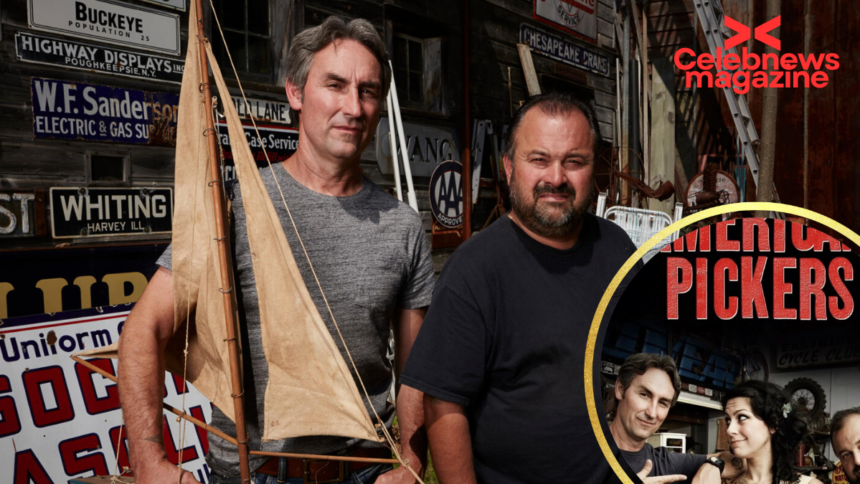
Discover Mike Wolfe passion project transforming small-town America through historic preservation, community revitalization, and storytelling. Learn how the American Pickers star saves forgotten history in Columbia, Tennessee, and beyond.
| Category | Details |
|---|---|
| Primary Focus | Historic building restoration and small-town revitalization |
| Main Location | Columbia, Tennessee (with properties in LeClaire, Iowa) |
| Investment in Columbia | Over $1.5 million in property purchases and renovations |
| Notable Projects | Revival (restored Esso gas station), Columbia Motor Alley, Two Lanes Guesthouse |
| American Pickers Debut | January 18, 2010 |
| Mike Wolfe’s Age | 60 years old (born June 11, 1964) |
| Net Worth (2025) | Approximately $7 million |
| Business Ventures | Antique Archaeology stores, Two Lanes lifestyle brand |
| Project Philosophy | Preservation with purpose—honoring the past while serving the present |
| Community Impact | Job creation, tourism boost, local business support, cultural heritage preservation |
| Artisan Support | Micro-grants of $2,000-$10,000 to traditional craftspeople |
| Restoration Approach | Six-step process: identification, research, assessment, planning, engagement, adaptive reuse |
| Legacy Goal | 100 Buildings, 100 Stories campaign (23 completed, 77 remaining by 2027) |
| Current Season | American Pickers Season 27 (premiered July 2025) |
Mike Wolfe Passion Project Explained
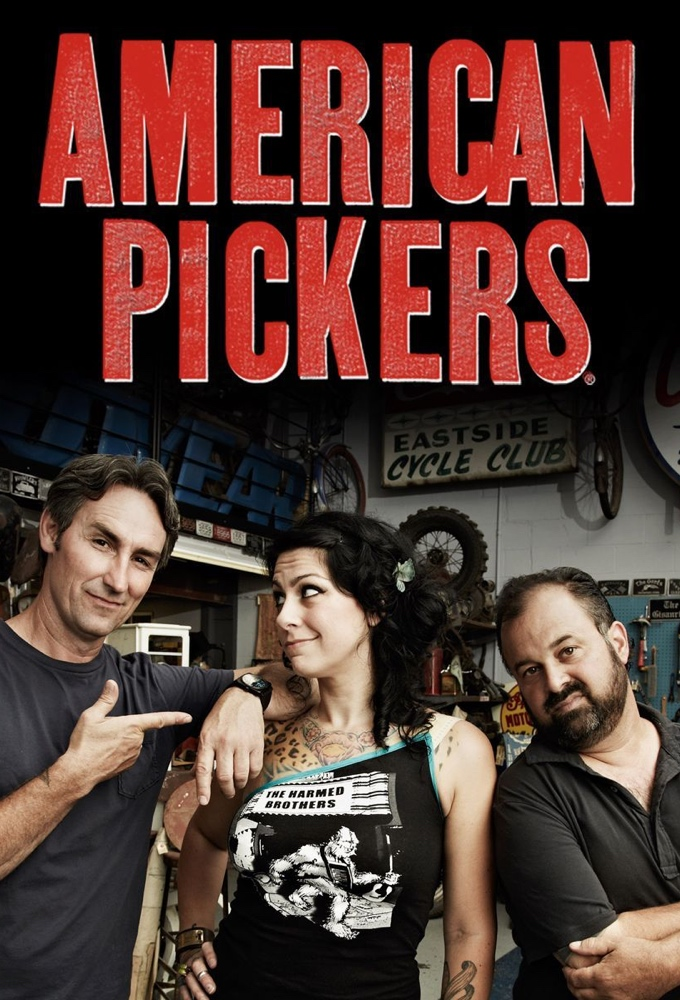
The Mike Wolfe passion project represents far more than a celebrity side venture—it embodies a comprehensive mission to save America’s disappearing small towns through intentional historic preservation and community building. While millions recognize Wolfe as the charismatic host of American Pickers, his off-camera work reveals a deeper calling that extends beyond television ratings and antique sales.
At its foundation, the passion project centers on three interconnected pillars: historic building restoration, community economic revitalization, and cultural storytelling. Wolfe purchases neglected historic structures in small towns—particularly in Columbia, Tennessee—and transforms them into functional community spaces that honor their original character while serving modern needs. This isn’t typical real estate development focused on maximizing profit margins. Instead, Wolfe prioritizes historical authenticity, community benefit, and long-term sustainability.
The project gained significant attention in May 2025 when Wolfe unveiled the transformation of a dilapidated 1940s Esso gas station in downtown Columbia into “Revival,” a vibrant community gathering space featuring outdoor seating, fire pits, and performance areas. This restoration exemplifies Wolfe’s approach: preserving architectural integrity while creating spaces where generations can connect and build memories.
What distinguishes this initiative from conventional preservation efforts is Wolfe’s holistic vision. He doesn’t simply restore buildings and walk away. He invests in the surrounding community through supporting local artisans, creating jobs, encouraging tourism, and fostering civic pride. His projects demonstrate that historic preservation can serve as an economic engine for struggling towns, proving that the past and future aren’t mutually exclusive but mutually reinforcing.
Mike Wolfe Americana Preservation
Wolfe’s dedication to preserving Americana extends beyond physical structures to encompass the objects, stories, and traditions that define American culture. His journey began in childhood when he would bicycle through Bettendorf, Iowa, searching through neighbors’ discarded items and discovering that “junk” often contained remarkable stories of craftsmanship and history.
This early fascination evolved into a lifelong mission to preserve tangible pieces of American heritage. Through American Pickers, which premiered in 2010, Wolfe introduced mainstream audiences to the concept that everyday objects—vintage motorcycles, old advertisements, gas pumps, and weathered signs—represent important cultural artifacts worthy of preservation. Each item carries fingerprints of the craftspeople who created it and the communities that used it.
Wolfe’s Americana preservation philosophy operates on several levels. First, he actively collects and curates historical objects through his Antique Archaeology stores in LeClaire, Iowa, and Nashville, Tennessee. These aren’t typical antique shops but carefully curated spaces that tell cohesive stories about American design, innovation, and daily life.
Second, he documents the stories behind objects and the people who owned them. American Pickers episodes regularly feature extended conversations with collectors, revealing how these items connect to family histories, local industries, and regional traditions. This narrative approach transforms objects from mere commodities into vessels of memory and meaning.
Third, Wolfe supports traditional craftspeople whose skills represent vanishing trades. Through his Two Lanes brand, he quietly distributes micro-grants ranging from two thousand to ten thousand dollars to blacksmiths, sign painters, neon benders, and leather workers. These grants ensure that traditional techniques survive for future generations, preserving not just objects but the knowledge required to create and maintain them.
His approach to Americana preservation recognizes that cultural heritage exists in interconnected layers—objects, buildings, stories, skills, and communities form a complex ecosystem that requires comprehensive protection. When any element disappears, the entire tapestry weakens.
Mike Wolfe History Restoration
Historic restoration forms the practical backbone of Mike Wolfe Passion Project, and his methodology reflects deep respect for architectural authenticity combined with pragmatic adaptation for contemporary use. His restoration philosophy follows a meticulous six-step process that balances preservation principles with community needs.
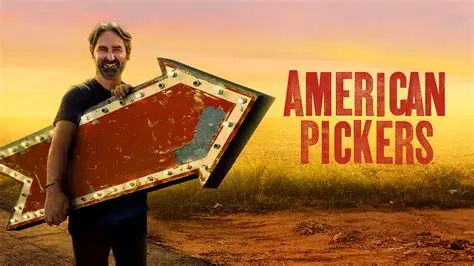
First, Wolfe identifies properties with compelling historical significance—structures that possess unique architectural features, important community connections, or stories worthy of preservation. In Columbia, Tennessee, he’s focused on late 19th and early 20th century buildings that survived decades of economic decline without demolition.
Second comes exhaustive research and documentation. Before any restoration begins, Wolfe’s team gathers historical photographs, original blueprints, oral histories, and architectural records to understand a building’s original appearance and purpose. For the 1873 Italianate mansion he purchased in Columbia for seven hundred thousand dollars, he studied century-old photographs to accurately rebuild the missing cupola tower.
Third, structural assessment determines feasibility and safety. Wolfe hires preservation architects and engineers to evaluate foundations, load-bearing walls, and structural integrity. This technical evaluation identifies which elements can be saved and which require careful replacement using period-appropriate materials and techniques.
Fourth, restoration planning develops detailed strategies that preserve historical character while incorporating necessary modern systems—electrical, plumbing, HVAC, and accessibility features. This phase requires creative problem-solving to hide contemporary infrastructure within historic fabric without compromising either function or authenticity.
Fifth, community engagement ensures projects meet actual local needs. Wolfe involves residents, historians, and business owners throughout the process, gathering input on how restored spaces can best serve their communities. This participatory approach builds local investment and ensures buildings become community assets rather than isolated showpieces.
Sixth, adaptive reuse transforms restored structures into functional businesses—restaurants, shops, galleries, event venues, or rental properties. Wolfe emphasizes that preservation succeeds when buildings serve living purposes rather than becoming static museums. His restored Esso station operates as Revival, a working restaurant and gathering space that generates economic activity while preserving architectural heritage.
Mike Wolfe American Pickers Passion Project
American Pickers provided Wolfe with the platform and resources to expand his preservation mission from personal interest to national movement. The show, which debuted in January 2010 with 3.1 million viewers, quickly became the History Channel’s highest-rated debut since Ice Road Truckers, establishing Wolfe as a trusted voice in American cultural preservation.
The show’s format—traveling backroads to uncover hidden treasures in barns, garages, and forgotten warehouses—naturally aligned with Mike Wolfe Passion Project for small-town America. Each episode showcases not just objects but the communities and people who preserved them, subtly educating viewers about the importance of heritage conservation.
As American Pickers gained popularity, Wolfe recognized the show’s potential as a vehicle for broader preservation advocacy. He used his growing platform to highlight struggling small towns, endangered buildings, and vanishing traditions. What began as entertainment evolved into cultural education, inspiring countless viewers to reconsider their own family heirlooms, local historic buildings, and community heritage.
The show’s success generated revenue that Wolfe strategically reinvested into his passion project. Rather than simply accumulating wealth, he channeled earnings into purchasing and restoring historic properties, supporting artisan grants, and developing community spaces. American Pickers essentially funded a grassroots preservation movement.
The connection between show and passion project operates symbiotically. American Pickers raises awareness and generates resources while the passion project demonstrates practical applications of preservation principles. Viewers who watch Wolfe negotiate for vintage motorcycles see the broader mission when he shares updates about restored buildings and revitalized communities.
Season 27 premiered in July 2025 with Wolfe continuing alongside co-hosts Danielle Colby, his brother Robbie Wolfe, and friend Jersey Jon Szalay. The show remains active while Wolfe simultaneously develops additional History Channel programming, including the upcoming series “History’s Greatest Picks With Mike Wolfe,” which will explore legendary treasures and artifacts across history.
Mike Wolfe Legacy Project
Wolfe approaches his passion project with explicit awareness of legacy—the lasting impact that survives beyond television fame or personal lifetime. He frequently articulates that twenty years from now, American Pickers will be remembered as entertainment, but the buildings he’s restored will continue serving communities for generations.
This legacy-focused thinking manifests in several strategic choices. First, Wolfe prioritizes permanent physical contributions over temporary publicity. Every building he restores becomes part of a town’s permanent infrastructure, potentially standing for another century or more. These aren’t short-term investments but generational commitments.
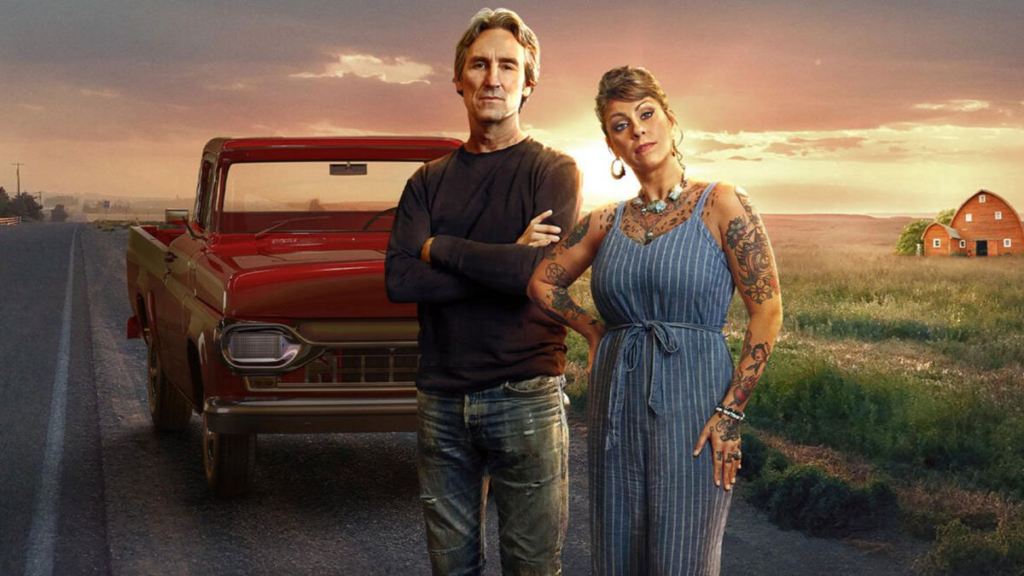
Second, he documents restoration processes comprehensively through photography, video, and written records. This documentation serves dual purposes: educating others about preservation techniques and creating permanent records of his work’s scope and impact. Through his Two Lanes blog and social media, he shares detailed restoration journeys that inspire and instruct others pursuing similar projects.
Third, Wolfe mentors younger preservationists and entrepreneurs interested in small-town revitalization. He regularly shares advice, connects people with resources, and encourages others to undertake their own passion projects in their communities. This mentorship multiplies impact beyond his individual efforts.
Fourth, his legacy project includes the ambitious “100 Buildings, 100 Stories” campaign—a commitment to restore one historic structure in every state by 2027. With 23 buildings completed and 77 remaining, this initiative would create a nationwide network of preservation success stories demonstrating what’s possible when individuals invest in community heritage.
Fifth, Wolfe’s approach creates replicable models. While his celebrity status provides initial attention, the underlying preservation strategies—identifying undervalued historic buildings, engaging communities, creating functional adaptive reuses, and supporting local economies—can be implemented by anyone with commitment and resources.
The legacy project ultimately aims to shift cultural attitudes about small towns and historic preservation. Wolfe wants future generations to view old buildings as valuable community assets worth protecting rather than obstacles to development, and to see small towns as vibrant places worthy of investment rather than places to escape.
Mike Wolfe Storytelling and Antiques
Storytelling forms the connective tissue binding all aspects of Wolfe’s passion project together. He fundamentally believes that objects and buildings serve as storytelling devices—physical anchors for human experiences, community memories, and cultural traditions that might otherwise fade from collective consciousness.
Wolfe’s storytelling approach operates on multiple levels simultaneously. On American Pickers, he elicits stories from collectors about how they acquired items, what these objects meant to previous owners, and how they connect to broader historical contexts. These conversations reveal that a rusty bicycle isn’t merely metal and rubber but potentially a Depression-era worker’s transportation, a child’s prized possession, or evidence of early American manufacturing innovation.
More Read

Beyond television, Wolfe employs digital storytelling through his Two Lanes brand—a multimedia platform featuring articles, videos, and photography celebrating rural American culture, artisan craftsmanship, and heritage travel. Two Lanes shares profiles of small-town makers, documents restoration projects, and explores backroad destinations that embody authentic American character. This content reaches audiences beyond television viewership, building a community around preservation values.
His restoration projects themselves tell stories through architectural preservation choices. When rebuilding the cupola on the 1873 Italianate mansion in Columbia, Wolfe meticulously matched original photographs to ensure the restoration accurately represented the building’s historical appearance. These details communicate respect for original builders and the community’s architectural heritage.
Wolfe also facilitates storytelling by creating spaces where community narratives can emerge organically. Revival, the restored Esso station, includes fire pits and gathering areas specifically designed for conversation and connection. These “third places”—social spaces between home and work—enable informal storytelling where community members share memories, exchange ideas, and build relationships.
Additionally, Wolfe curates antique displays that tell cohesive narratives rather than simply accumulating random objects. His Antique Archaeology stores organize items thematically, creating visual stories about American innovation, design evolution, regional craftsmanship, and industrial heritage. This curatorial approach educates visitors while making history accessible and engaging.
Mike Wolfe Cultural Preservation Work
Cultural preservation encompasses Wolfe’s comprehensive efforts to protect tangible and intangible heritage elements that define American identity. This work extends beyond preserving individual objects or buildings to safeguarding entire cultural ecosystems—the interconnected networks of skills, traditions, places, and stories that give communities distinctive character.
Wolfe’s cultural preservation initiatives address multiple dimensions simultaneously. Architecturally, he protects building styles and construction techniques representative of specific historical periods and regional traditions. The buildings he restores in Columbia represent late Victorian, early 20th century commercial, and mid-century vernacular architecture that might otherwise disappear through neglect or demolition.
Economically, he demonstrates that cultural heritage can drive community prosperity. His restored properties create jobs for construction workers, architects, designers, and business operators while attracting tourists who contribute to local economies. Columbia has experienced measurable increases in downtown foot traffic, new business openings, and tourism spending directly connected to Wolfe’s investments.
Socially, his projects create gathering spaces that strengthen community bonds. Revival hosts live music, community events, and informal gatherings that facilitate social connection. These activities rebuild the social infrastructure that historically made small towns vibrant, livable communities.
Educationally, Wolfe’s work raises awareness about preservation’s importance. Through American Pickers, social media, and public appearances, he educates millions about why historic buildings matter, how preservation works practically, and what ordinary people can do to protect heritage in their communities.
Artistically, he supports traditional craftspeople whose skills represent endangered cultural knowledge. His micro-grants enable blacksmiths, sign painters, neon benders, and other artisans to continue practicing trades that might otherwise disappear. This support preserves not just individual skills but entire craft traditions with deep American roots.
Philosophically, Wolfe advocates for preservation as cultural stewardship—the idea that current generations hold responsibility for protecting heritage for future generations. He regularly articulates that historic buildings and objects don’t belong exclusively to current owners but represent shared cultural inheritance deserving collective protection.
Mike Wolfe Saving Forgotten History
The concept of “forgotten history” drives much of Wolfe’s motivation and defines his unique preservation focus. While major museums and well-funded institutions protect nationally significant sites and artifacts, countless locally important places and objects receive no protection and face steady erasure through neglect, demolition, or disposal.
Wolfe specifically targets this overlooked heritage—the small-town Main Streets, rural gas stations, local advertisements, community gathering places, and everyday objects that shaped ordinary American lives but lack official recognition or protection. These elements constitute what he calls “the fabric of who we are”—the physical evidence of how regular people lived, worked, and built communities.
His approach to saving forgotten history involves active rescue missions. When he learns about endangered buildings facing demolition or historically significant collections being dispersed, he moves quickly to acquire and protect them. The Esso gas station in Columbia sat vacant and deteriorating before Wolfe purchased and transformed it into Revival, preventing its likely demolition.
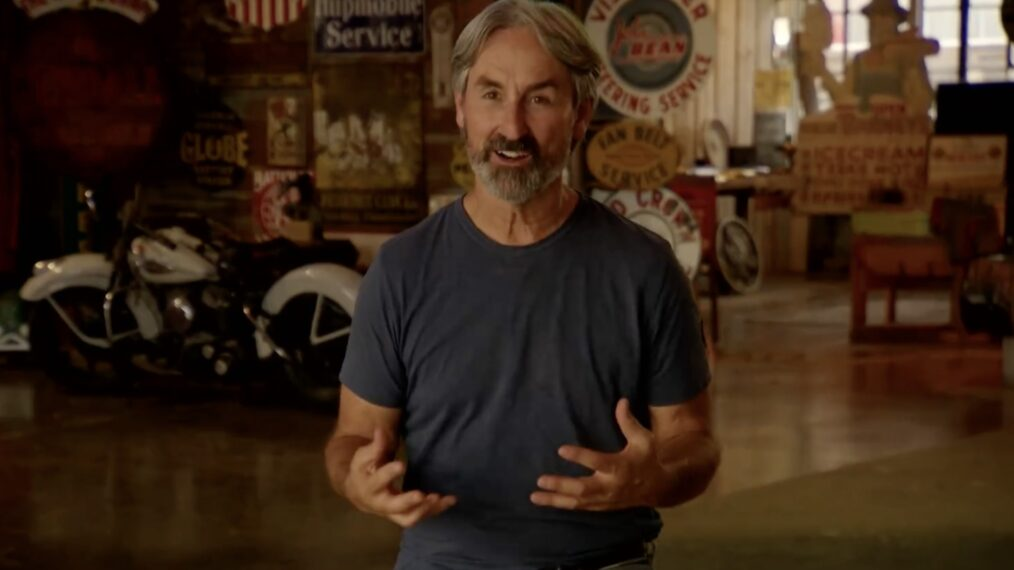
Beyond individual rescues, Wolfe works to elevate forgotten history’s status in public consciousness. Through American Pickers, he demonstrates that seemingly mundane objects—old tools, vintage advertising, weathered signs—contain rich stories about American innovation, design, and culture. This reframing helps viewers recognize heritage value in objects they might otherwise discard.
He also documents forgotten histories before they disappear entirely. Many American Pickers episodes feature elderly collectors sharing memories about local industries, community traditions, and bygone ways of life. These recorded conversations preserve oral histories that would otherwise vanish when these storytellers pass away.
Wolfe’s forgotten history work includes collaborative partnerships with preservationists, historians, and community organizations working to protect local heritage. He participated in Nashville’s Big Backyard initiative, promoting tourism to small communities stretching from Muscle Shoals, Alabama, to Leiper’s Fork, Tennessee—encouraging people to discover and value these overlooked places.
Mike Wolfe Creative Journey
Understanding Wolfe’s creative journey provides essential context for appreciating his passion project’s depth and authenticity. His preservation mission didn’t emerge from calculated business strategy but evolved organically from childhood curiosity, lifelong learning, and persistent creative exploration.
Wolfe’s journey began at age four when he discovered a discarded bicycle in a neighbor’s trash. Rather than seeing garbage, he recognized possibility—an object with history, craftsmanship, and potential value. This early experience established a pattern of seeing beyond surface appearances to recognize hidden worth, a skill that would define his career.
Throughout his youth in Bettendorf, Iowa, Wolfe spent weekends bicycling through alleys, exploring abandoned buildings, and visiting flea markets. These adventures weren’t merely treasure hunting but education in American material culture, design history, and community heritage. He developed an instinctive understanding of craftsmanship quality, regional styles, and historical context.
In 2000, Wolfe opened Antique Archaeology, transforming his picking hobby into a legitimate business. This entrepreneurial step required developing skills beyond collecting—pricing, marketing, customer relations, and business management. The store became a laboratory for refining his curatorial vision and storytelling approach.
The creation of American Pickers in 2010 represented a major creative leap—translating his passion into engaging television that could educate and entertain mainstream audiences. Wolfe served not just as on-camera talent but as creator and executive producer, shaping the show’s format, tone, and educational mission.
As American Pickers succeeded, Wolfe’s creative journey expanded toward larger preservation challenges. He recognized that saving individual objects, while valuable, couldn’t address the broader crisis of small-town decline and architectural loss. This realization prompted his evolution from collector to preservationist, from documenter to active participant in community transformation.
His creative journey continues evolving. Recent projects include developing new History Channel programming, expanding his Two Lanes brand, and pursuing the 100 Buildings, 100 Stories campaign. Each phase builds on previous experiences while pushing into new creative territory.
Mike Wolfe Community Impact Project
The community impact dimension of Mike Wolfe Passion Project may represent its most significant aspect—the tangible improvements to residents’ quality of life, economic opportunities, and civic pride in places he invests his energy and resources.
Columbia, Tennessee, serves as the primary case study for understanding this community impact. When Wolfe began investing in Columbia around 2017, downtown faced challenges common to many small Southern towns—vacant storefronts, aging infrastructure, declining population, and limited economic opportunities. Young people often left for larger cities, and remaining residents sometimes viewed their town’s best days as historical memory rather than future possibility.
Wolfe’s multi-property investments initiated measurable changes. His restoration of prominent downtown buildings attracted attention from other investors, entrepreneurs, and tourists. Local property values increased moderately, though Wolfe’s approach differs from typical gentrification because he prioritizes preserving existing community character and creating affordable spaces for local businesses rather than pricing out longtime residents.
Employment impact includes both direct and indirect job creation. Restoration projects employ local contractors, craftspeople, architects, and designers. Completed properties employ restaurant staff, retail workers, hospitality personnel, and maintenance workers. Additionally, increased tourism supports other downtown businesses—shops, cafes, galleries—creating a multiplier effect throughout the local economy.
Community gathering spaces like Revival provide social infrastructure that had largely disappeared from many small towns. These venues host live music, community events, casual gatherings, and cultural activities that strengthen social bonds and community identity. Residents report renewed pride in their town and increased civic engagement.
Educational impact manifests through inspiration and demonstration effects. Wolfe’s visible success in restoration projects inspires other property owners to invest in their buildings, entrepreneurs to start businesses downtown, and young people to reconsider small-town living as viable. His work demonstrates concrete possibilities rather than abstract ideals.
Tourism represents another significant impact dimension. Wolfe’s celebrity status attracts American Pickers fans to Columbia, but the restored properties themselves become destinations worthy of visits. Heritage tourism spending generates substantial economic activity distributed across local businesses—hotels, restaurants, shops, and attractions.
Wolfe’s community impact extends beyond economic metrics to include cultural and psychological dimensions. His investments signal belief in small towns’ value and viability, countering decades of narratives about rural decline and urban inevitability. This psychological shift—from resignation to possibility—may ultimately prove his most lasting community contribution.
Conclusion
Mike Wolfe’s passion project represents a comprehensive vision for preserving American heritage while revitalizing the communities that created and sheltered it. Through strategic building restorations, support for traditional craftspeople, educational storytelling, and genuine community engagement, Wolfe demonstrates that historic preservation can serve as powerful engine for economic development, social connection, and cultural continuity.
His work proves that individual vision combined with sustained commitment can reverse decades of small-town decline. The buildings he’s restored in Columbia, LeClaire, and other communities will continue serving residents and visitors long after American Pickers concludes. These permanent contributions represent his true legacy—not television fame but tangible improvements to the American landscape and inspiration for others pursuing similar missions in their communities.
The Mike Wolfe passion project offers a replicable model for anyone who cares about preserving heritage and strengthening communities. It demonstrates that preservation isn’t elitist nostalgia but practical investment in sustainable, livable places. By honoring the past while serving present needs, Wolfe shows that history and progress aren’t opposing forces but complementary partners in building communities where people want to live, work, and create lasting memories.