








Discover Tom Homan net worth in 2026, including his ICE salary, career earnings, and income sources. Complete biography of the former acting ICE director and Border Czar with verified financial details.
Quick Facts: Tom Homan
| Category | Details |
|---|---|
| Full Name | Thomas Douglas Homan |
| Estimated Net Worth (2026) | $1 million – $3 million |
| Primary Income Source | Government salary, pensions |
| Notable Position | Former Acting Director of ICE |
| Current Role | Border Czar (2026) |
| Years in Law Enforcement | 30+ years |
| Birth Year | 1961 |
| Education | Criminal Justice |
| Career Start | 1984 (New York Police Department) |
| Retirement from ICE | 2018 |
Tom Homan Net Worth 2026: Financial Overview
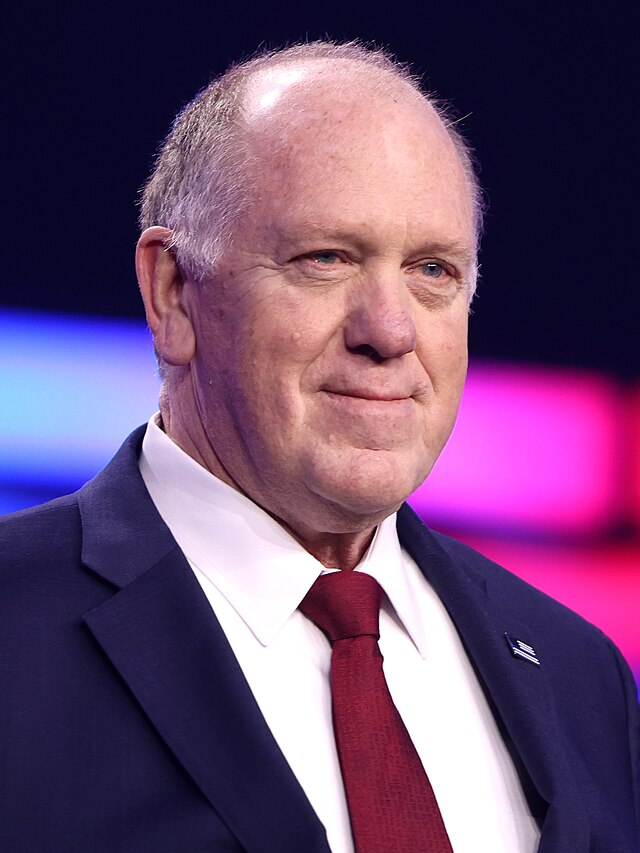
Thomas Homan’s estimated net worth in 2026 ranges between $1 million and $3 million, accumulated primarily through his extensive career in federal law enforcement. Unlike private sector executives or entrepreneurs, Homan’s wealth stems from decades of government service, federal pensions, and post-retirement activities including speaking engagements and media appearances.
As a career civil servant who spent over three decades in law enforcement, Homan’s financial profile reflects the compensation structure typical of senior federal officials. His net worth is modest compared to private sector professionals but substantial for someone who dedicated their career to public service.
The appointment as Border Czar in 2026, marks a return to government service, though the specific compensation details for this role may differ from traditional federal positions. Government officials at senior levels typically earn salaries ranging from $150,000 to $200,000 annually, though special appointees may have different arrangements.
Tom Homan Biography: From Police Officer to Border Czar
Thomas Douglas Homan was born in 1961 and began his law enforcement career in 1984 with the New York Police Department. His early years on the streets of New York provided foundational experience that would shape his approach to law enforcement throughout his career.
Homan’s transition to federal service came when he joined the Immigration and Naturalization Service (INS) as a Border Patrol agent. This move proved pivotal, setting him on a path that would eventually lead to the highest ranks of immigration enforcement. His hands-on experience in border security and immigration enforcement gave him practical knowledge that informed his later policy positions.
Throughout his career with INS and later Immigration and Customs Enforcement (ICE), Homan worked his way up through various positions. He served as a special agent, supervisory special agent, and in numerous leadership roles. His reputation for aggressive enforcement of immigration laws earned him both supporters and critics.
The appointment to acting director of ICE represented the pinnacle of his federal career. In this role, he oversaw an agency with approximately 20,000 employees and a budget exceeding $6 billion. His tenure was marked by increased enforcement operations and controversial policies that generated significant public debate.
After retiring from federal service in 2018, Homan remained active in immigration policy discussions through media appearances, speaking engagements, and advisory roles. His return to government service as Border Czar in 2025 demonstrates the continued relevance of his expertise in immigration enforcement matters.
Tom Homan ICE Salary: Government Compensation Breakdown
During his tenure as acting director of ICE, Tom Homan’s salary fell within the federal government’s Senior Executive Service (SES) pay scale. SES positions represent the highest levels of civil service, with salaries that are publicly disclosed and standardized across federal agencies.
The acting director of ICE typically earns between $170,000 and $185,000 annually, depending on the specific pay level within the SES system. This compensation is significantly lower than equivalent leadership positions in the private sector but includes comprehensive federal benefits.

Federal benefits for senior officials include:
Retirement Benefits: Federal employees with 30+ years of service qualify for substantial pension benefits based on their highest earning years and length of service. Homan’s federal pension likely provides annual payments of $80,000 to $120,000.
Health Insurance: Federal employees receive health insurance coverage that continues into retirement, with the government subsidizing a significant portion of premiums.
Thrift Savings Plan: Similar to a 401(k), federal employees can contribute to the Thrift Savings Plan with government matching, providing additional retirement income.
Life Insurance: Federal employee group life insurance provides financial security for dependents.
The total compensation package for senior federal officials, when including benefits, can be valued at 30-40% above the base salary. However, these positions require significant responsibility and often involve public scrutiny and political pressure.
Tom Homan Career Earnings: A Three-Decade Journey
Calculating Tom Homan’s career earnings requires examining his progression through various law enforcement positions over more than 30 years. His career trajectory moved from local police work to federal immigration enforcement, with corresponding increases in compensation.
Early Career (1984-1990s): As a New York police officer and early federal agent, Homan likely earned modest salaries typical of entry and mid-level law enforcement positions, ranging from $30,000 to $60,000 annually in inflation-adjusted dollars.
Mid-Career (2000s): Advancing through supervisory and management positions within immigration enforcement, his annual salary would have increased to the $80,000 to $120,000 range.
Senior Leadership (2010s): In executive positions leading up to and including the ICE directorship, his compensation reached the $150,000 to $185,000 level.
Over a 34-year career (1984-2018), conservative estimates suggest total career earnings between $3 million and $4.5 million before taxes. These figures don’t account for overtime pay, which can be substantial in law enforcement, or location-based pay adjustments for expensive areas like New York and Washington, D.C.
Post-retirement income sources have included:
- Federal pension payments
- Speaking engagements (fees ranging from $10,000 to $30,000 per appearance)
- Media appearances and commentary
- Consulting or advisory work related to border security
Tom Homan Border Czar: The 2025 Appointment
The appointment as Border Czar in 2025 represents a significant development in Tom Homan’s career and likely impacts his overall financial picture. This role, created to coordinate border security and immigration enforcement efforts, leverages his decades of experience in these exact areas.
The Border Czar position is not a traditional cabinet appointment but rather a senior advisor or coordinator role. Compensation for such positions can vary widely depending on whether it’s structured as a federal employee position, a special government employee designation, or another arrangement.

Senior White House advisors and coordinators (“czar” positions) typically earn salaries in the $140,000 to $180,000 range, though some serve in unpaid advisory capacities while maintaining outside income sources. The specific arrangement for Homan’s role would be documented in federal disclosure requirements.
This appointment brings several considerations:
Public Scrutiny: High-profile government positions subject the holder to extensive financial disclosure requirements and public examination of income sources and potential conflicts of interest.
Policy Influence: While the financial compensation may be similar to his previous ICE role, the platform and influence of a White House-level position provide intangible career capital.
Post-Service Opportunities: Senior White House roles often lead to lucrative opportunities in speaking, consulting, and media after government service ends.
Pension Impact: Returning to federal service may affect pension benefits, though the specific impact depends on the nature of the appointment and existing retirement status.
Income Sources and Financial Portfolio
Tom Homan’s income streams in 2026 likely include multiple sources reflecting his status as a retired federal employee who has returned to government service:
Federal Pension: His primary source of retirement income, likely providing $80,000 to $120,000 annually based on his years of service and final salary levels.
Border Czar Salary: Current government compensation for the 2025 appointment, estimated at $140,000 to $180,000 annually.
Speaking Engagements: Between retirement in 2018 and returning to government service, speaking fees from conferences, organizations, and events likely generated $50,000 to $200,000 annually.
Media Appearances: Regular appearances as a commentator on immigration and border security issues, though compensation varies widely based on the frequency and nature of appearances.
Book Royalties: Any published works on immigration enforcement or border security would generate royalty income, though this hasn’t been a major reported income source.
Investments: Standard retirement investments including the Thrift Savings Plan, which many federal employees accumulate to $500,000 to $1 million by retirement after long careers.
Federal financial disclosure requirements mandate that senior officials report income sources, assets, and liabilities within specified ranges. These disclosures provide transparency while protecting specific details of personal finances.
Comparing Government Service Compensation
To contextualize Tom Homan’s earnings, it’s useful to compare government compensation with similar leadership roles:
Private Sector: A chief security officer or head of operations for a large corporation might earn $300,000 to $800,000 annually plus bonuses and stock options.
Other Federal Agencies: Directors of comparable agencies like FBI, DEA, or ATF earn similar SES salaries of $170,000 to $185,000.
State and Local: Major city police chiefs or state law enforcement directors typically earn $150,000 to $250,000 depending on the jurisdiction.
Military: Four-star generals and admirals earn approximately $200,000 to $220,000 annually plus benefits and allowances.
The compensation structure for federal civil servants prioritizes stability, benefits, and pension security over high current income. This reflects the public service nature of these positions and the understanding that financial rewards are secondary to mission and service.
Legacy and Future Financial Outlook
Tom Homan’s financial legacy reflects a career dedicated to public service rather than wealth accumulation. His net worth, while comfortable, remains modest compared to private sector peers with similar levels of responsibility and experience.
Looking forward, several factors may influence his financial situation:
Duration of Border Czar Role: The length of this appointment will affect total earnings and may influence future opportunities.
Post-Government Opportunities: After completing government service, former senior officials often find opportunities in:
- Corporate consulting on security matters
- Board memberships for security or technology companies
- Continued media commentary
- Academic or think tank positions
Pension Stability: Federal pensions provide reliable income indexed to inflation, offering financial security regardless of other income sources.
Public Profile: His high-profile role in immigration policy ensures continued relevance in public discussions, potentially creating ongoing opportunities for income generation.
Conclusion
Tom Homan net worth of $1 million to $3 million in 2026 represents the accumulation of a distinguished career in federal law enforcement. His journey from police officer to acting ICE director to Border Czar demonstrates a commitment to public service that prioritized mission over financial gain.
His income sources—federal pension, government salary, and supplemental earnings from speaking and media appearances—reflect the typical financial profile of senior government officials who leverage their expertise post-retirement. While his wealth is modest compared to private sector executives, it provides financial security and reflects honest compensation for decades of public service.
The Border Czar appointment in 2026 continues a career defined by immigration enforcement and border security, fields where Homan has built unparalleled experience and expertise. Whether one agrees with his policies or not, his financial trajectory illustrates that public service careers can provide stability and comfortable retirement without generating extraordinary wealth.