









Discover the truth about Tim Montgomerie health problems, his mental health journey during COVID-19, political career from ConservativeHome to Reform UK, and his ongoing influence in British politics.
Quick Facts About Tim Montgomerie
| Category | Details |
|---|---|
| Full Name | Timothy Montgomerie |
| Date of Birth | July 24, 1970 |
| Birthplace | Barnstaple, Devon, England |
| Education | Economics and Geography, University of Exeter |
| Known For | Founder of ConservativeHome, Co-founder Centre for Social Justice |
| Political Affiliation | Conservative Party (1991-2016, returned briefly), Reform UK (2024-present) |
| Career Highlights | Speechwriter for William Hague and Iain Duncan Smith, Boris Johnson’s Social Justice Adviser |
| Health Challenges | Mental health struggles during COVID-19 lockdown |
| Current Status | Active political commentator and Reform UK supporter |
Understanding Tim Montgomerie Health Problems
The topic of Tim Montgomerie health problems has generated considerable online interest, often surrounded by speculation and misinformation. Montgomerie spoke honestly about depression, loneliness, medication, and recovery during the COVID-19 pandemic, yet many online sources have exaggerated or misrepresented these struggles.
There is no confirmed physical illness, and many of the online claims suggesting otherwise are unsupported. The reality centers on mental health challenges rather than physical ailments, making it essential to separate verified facts from internet speculation.
The widespread searches for information about his health stem from a combination of his public transparency about mental wellbeing and the tendency of online platforms to amplify partial truths into dramatic narratives. Understanding the actual circumstances requires examining credible sources and Montgomerie’s own statements.
Tim Montgomerie Mental Health: The COVID-19 Lockdown Experience
In 2022, Montgomerie talked about the mental health struggles he experienced over recent years, especially during lockdown, stating he reached “dark places” while living alone. This period marked one of the most challenging phases of his personal life, reflecting struggles shared by millions worldwide during the pandemic.

The isolation imposed by lockdown measures took a significant toll on Montgomerie’s emotional wellbeing. He underwent medication for mental illness and stated that the experience helped him fully understand human fragility. His willingness to discuss these struggles publicly represented a departure from the typical reserve expected of political commentators.
During interviews, Montgomerie emphasized that recovery from such dark periods is possible, encouraging others facing similar challenges not to give up. His message resonated with many who found themselves struggling with isolation, reduced social interaction, and the psychological weight of the pandemic era.
The mental health challenges Montgomerie faced were not unique but part of a broader crisis affecting society. Reports indicated significant increases in depression and anxiety cases globally during this period, making his experience representative of a widespread phenomenon rather than an isolated incident.
The Role of Friendship in Recovery
A crucial factor that helped Montgomerie cope with his illness was his friendship with the late MP Sir David Amess, who rang him and pressed him about not being well, then did his best to lift his spirits by telling jokes and took a promise from Tim to call whenever he got into dark places.
This relationship highlights the critical importance of human connection during mental health crises. Sir David Amess’s proactive concern and persistent support provided Montgomerie with a lifeline during his lowest moments. The late MP’s approach demonstrated how genuine care and regular check-ins can make a substantial difference in someone’s recovery journey.
The friendship between Montgomerie and Amess serves as a powerful reminder that mental health recovery often requires more than professional intervention. While medication and therapy play important roles, the presence of caring friends who refuse to let someone suffer alone can be equally transformative.
Montgomerie has spoken movingly about this friendship, crediting Amess with helping him navigate through particularly difficult periods. This aspect of his recovery story emphasizes the value of community, connection, and the courage to reach out when struggling.
Tim Montgomerie Illness: Separating Fact from Fiction

Despite numerous online claims, there is no evidence that Tim Montgomerie suffers from any long-term physical health conditions, with no medical disclosures, interviews, or reputable reports suggesting otherwise. The confusion surrounding his health status stems largely from misleading online content.
Many websites have published articles with dramatic headlines suggesting serious physical ailments, yet these pieces typically lack credible sources or direct quotes supporting such claims. The pattern reveals how internet content can create false narratives through repetition rather than verification.
Searches for “Tim Montgomerie illness” often lead to articles that recycle the same mental health information or introduce unsupported speculation about conditions ranging from stroke to Parkinson’s disease. These claims appear to originate from misinterpretation, clickbait tactics, or deliberate misinformation rather than factual reporting.
Trusted media platforms that have hosted Montgomerie, including The Times, BBC Radio 4, and The Spectator, have not reported any physical illness. Their coverage focuses on his political insights, commentary, and mental health transparency rather than undisclosed medical conditions.
The responsible approach to understanding Tim Montgomerie’s health involves consulting verified sources, direct statements, and reputable journalism rather than speculative blog posts or social media rumors. The confirmed reality remains limited to his openly discussed mental health challenges during the pandemic.
Tim Montgomerie Biography: From Army Family to Political Influence
Born on July 24, 1970, in Barnstaple, Devon, Montgomerie grew up in an army family and attended The King’s School in Germany before studying Economics and Geography at the University of Exeter. His formative years instilled values of discipline, service, and a questioning approach to political and moral issues.
At university, Montgomerie’s political engagement deepened significantly. At Exeter University, Montgomerie and fellow student David Burrowes started the Conservative Christian Fellowship in December 1990, supported by the Christian Coalition of America. This organization reflected his commitment to integrating faith perspectives with conservative politics.
His early career included diverse experiences that shaped his political thinking. Montgomerie worked briefly at the Bank of England in the 1990s as a statistician, where his responsibilities included the Russian economy and the study of systemic risk in financial systems. This background provided him with economic expertise that would inform his later political work.
The trajectory of Montgomerie’s career demonstrates a consistent focus on compassionate conservatism—the belief that conservative principles should actively address poverty and social inequality. This philosophy would become central to his most significant contributions to British political life.
Tim Montgomerie Career: Shaping Conservative Thought
From 1998 to 2003, Montgomerie was the speechwriter for two Conservative Party leaders, William Hague and then Iain Duncan Smith, and also had responsibility for the Conservative Party’s outreach to faith communities and the voluntary sector. These roles positioned him at the heart of Conservative Party strategy during a crucial rebuilding period.
In September 2003, Montgomerie became Conservative Party leader Duncan Smith’s Chief of Staff, becoming a main influence behind Duncan Smith’s theme of compassionate conservatism. Though Duncan Smith’s leadership was short-lived, the intellectual framework Montgomerie helped develop had lasting impact.
In 2004, with Iain Duncan Smith and Philippa Stroud, Montgomerie established the Centre for Social Justice to take forward the work on “compassionate conservatism”. This think tank became influential in shaping Conservative social policy, focusing on poverty reduction and social mobility through conservative principles.
His media career included significant positions at major publications. In February 2013, Montgomerie announced he would join The Times as comment editor, and he founded the online magazine UnHerd in 2017, though he announced he had left UnHerd on September 25, 2018.
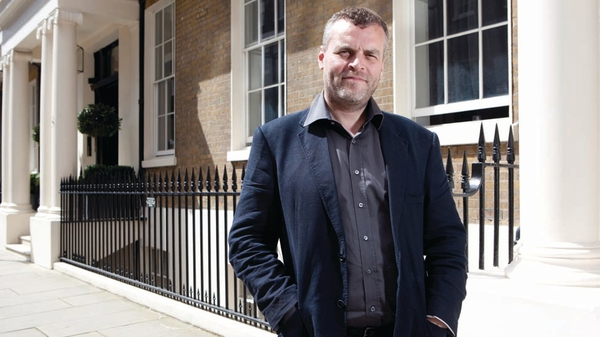
In September 2019, Montgomerie was appointed as “social justice adviser” to Prime Minister Boris Johnson, though the role lasted until the election was called in November 2019. By 2020, he had become a frequent critic of the government, particularly regarding Dominic Cummings and Johnson himself.
Tim Montgomerie ConservativeHome: A Digital Revolution
On March 28, 2005, Montgomerie launched the ConservativeHome website in the period just before the general election campaign that year. This platform would become his most enduring contribution to British political discourse, fundamentally changing how grassroots party members engaged with leadership.
ConservativeHome provided Conservative Party members with direct access to policy debates, leadership discussions, and political analysis. The website’s success stemmed from its independence—it wasn’t an official party organ but rather a space for authentic grassroots voices.
Montgomerie has been described as “one of the most important Conservative activists of the past 20 years,” and in February 2012, The Observer said that “In the eyes of most MPs, Montgomerie [is] one of the most influential Tories outside the cabinet”. This influence derived largely from ConservativeHome’s ability to shape party sentiment and hold leadership accountable.
The website became required reading for Conservative MPs, journalists, and political observers. Its daily surveys of party members, policy analysis, and commentary created a new model for political engagement that transcended traditional media channels.
Montgomerie edited ConservativeHome from 2005 until 2013, when he moved to The Times, though he maintained an advisory role. The platform’s legacy continues, having permanently altered the relationship between party leadership and grassroots membership in British politics.
Tim Montgomerie Politics: Evolution and Principle
On February 17, 2016, Montgomerie resigned his membership of the Conservative Party, citing the leadership’s stance on Europe, which was then supportive of EU membership. This decision reflected his commitment to principle over party loyalty, a characteristic that has defined his political journey.
His political views have evolved on certain issues while remaining consistent on core principles. Early in his career, he held socially conservative positions on issues like homosexuality and Section 28, but has since reversed these stances, demonstrating intellectual flexibility and growth.
Throughout his career, Montgomerie has championed what he calls compassionate conservatism—combining free-market economics with robust social policy aimed at helping society’s most vulnerable. This philosophy draws inspiration from historical figures like William Wilberforce, the Earl of Shaftesbury, and Richard Oastler.
His political heroes and influences reflect this blend of moral conviction and practical policy. Montgomerie has consistently argued that conservatism should not merely preserve existing arrangements but actively work to improve the condition of the poor and marginalized.
Tim Montgomerie Reform UK: A New Political Chapter
In December 2024, after 33 years in the Conservative Party, Montgomerie joined Reform UK. This move represented a significant shift in British center-right politics, with one of the Conservative movement’s most influential voices aligning with a rival party.
Montgomerie told GB News that the gap between what he believed and where the party was going became too great, with the Conservatives’ record on immigration ultimately tipping him over the edge. He expressed particular frustration with repeated promises to control immigration that went unfulfilled.
The final straw was immigration numbers released in November 2024, when the Office for National Statistics revealed it had underestimated net migration in 2023 by 181,000, with the actual figure standing at 866,000 rather than the initially reported 685,000. This revelation occurred under Conservative leadership despite pledges to reduce immigration.
Reform UK announced Montgomerie’s defection with a picture of him beaming alongside leader Nigel Farage and chairman Zia Yusuf, with the party stating he had been in the Conservative party for 33 years and was formerly an adviser to Boris Johnson and creator and editor of Conservative Home.
The defection wasn’t without controversy or skepticism. Critics pointed out that Reform UK was increasingly filled with former Conservatives, raising questions about whether the party represented genuine reform or simply “Tory Lite.” However, Montgomerie has defended his decision as based on principle rather than opportunism.
Tim Montgomerie Today: Current Activities and Influence
As of early 2026, Montgomerie remains active, engaged, and committed to the political conversations he has long championed. His move to Reform UK has positioned him as a voice for conservatives disillusioned with the mainstream Conservative Party.
He continues to appear regularly on broadcast media, including Times Radio, BBC programs, and other outlets where his analysis of British politics remains sought after. His commentary combines insider knowledge of Conservative Party dynamics with broader perspective on the center-right’s future direction.
Montgomerie’s current work focuses on advocating for Reform UK’s vision while continuing to write and speak about political issues. His experience founding grassroots movements, advising prime ministers, and shaping conservative thought gives him unique credibility in analyzing political developments.
The mental health challenges he faced during the pandemic appear to be behind him, though his openness about that experience continues to resonate. He has emerged as an advocate for breaking down stigma around mental health discussions, particularly among public figures and in professional contexts.
His influence extends beyond party politics to broader questions about conservatism’s direction, the relationship between economic and social policy, and how political movements can remain true to principles while adapting to changing circumstances.
Public Reaction and Media Coverage
The public response to Montgomerie’s health revelations has been largely supportive, with many praising his courage in discussing mental health struggles. In an era when such discussions remain somewhat taboo, particularly among political figures, his transparency helped normalize conversations about emotional wellbeing.

However, this openness also created space for speculation and misinformation. The internet’s tendency to amplify dramatic narratives meant that straightforward discussions of mental health struggles during lockdown morphed into unfounded claims of serious physical illness.
Media coverage has varied significantly in quality and responsibility. Reputable outlets have reported his mental health discussions accurately while respecting his privacy. Less credible sources have published speculative articles with sensational headlines designed to generate clicks rather than inform readers.
The phenomenon of “Tim Montgomerie health problems” becoming a popular search term illustrates broader issues about how public figures’ personal lives are discussed online. The boundary between legitimate public interest and invasive speculation remains contested terrain.
Lessons from Tim Montgomerie’s Journey
Montgomerie’s experience offers several important insights for public discourse about health and politics. First, mental health deserves the same serious consideration as physical health, without stigma or dismissiveness. His willingness to discuss depression and medication has helped normalize these conversations.
Second, the importance of support systems in mental health recovery cannot be overstated. The role Sir David Amess played in Montgomerie’s recovery demonstrates how genuine friendship and persistent care can be lifesaving during dark periods.
Third, public figures face unique challenges regarding privacy and speculation. The fact that honest discussion of mental health can spawn unfounded rumors about physical illness reveals the double-edged nature of transparency in public life.
Fourth, political principle can sometimes require difficult choices, including leaving long-held party affiliations. Montgomerie’s journey from Conservative insider to Reform UK supporter illustrates how integrity can demand uncomfortable decisions.
Finally, recovery and resilience are possible even after reaching “dark places.” Montgomerie’s return to active political engagement and continued influence demonstrates that mental health struggles need not permanently derail careers or diminish contributions.
More Read

The Broader Context of Mental Health in Politics
Montgomerie’s openness about his mental health struggles occurs within a broader context of changing attitudes toward emotional wellbeing in professional and political life. Historically, public figures maintained strict separation between personal struggles and public personas, particularly regarding mental health.
The COVID-19 pandemic disrupted many such conventions, as widespread mental health challenges made these issues impossible to ignore. Montgomerie’s experience reflected struggles faced by millions, making his discussion of them particularly relevant and relatable.
Political culture in Britain and elsewhere has slowly become more accepting of mental health discussions, though significant stigma remains. High-profile figures who speak openly about their experiences help accelerate this cultural shift, making it easier for others to seek help and discuss their own struggles.
The intersection of mental health and public service raises important questions about support systems for political figures, the pressures of constant public scrutiny, and how societies can better support those in demanding roles.
Conclusion: Truth, Resilience, and Political Evolution
The truth about Tim Montgomerie health problems is far less sensational than internet speculation suggests. He faced mental health challenges during the COVID-19 lockdown, sought appropriate treatment, received crucial support from friends, and has since recovered. No credible evidence supports claims of serious physical illness.
His journey encompasses far more than health struggles. From founding ConservativeHome to advising prime ministers, from leaving the Conservative Party over principle to joining Reform UK, Montgomerie has remained committed to his vision of compassionate conservatism even as his party affiliations have changed.
The lessons from his experience extend beyond individual recovery to broader questions about mental health stigma, the ethics of speculation about public figures, and the importance of maintaining principle in political life. His willingness to discuss difficult personal experiences has contributed positively to public discourse.
As Montgomerie continues his work with Reform UK and remains active in political commentary, his influence on British center-right politics endures. His career demonstrates that political impact comes not just from positions held but from ideas championed, platforms created, and courage to speak truth as one sees it.
The speculation surrounding his health ultimately reveals more about internet culture and media responsibility than about Montgomerie himself. The verified facts are straightforward: a respected political figure faced mental health challenges, sought help, recovered, and continues contributing to public life. Everything else is noise that responsible observers should recognize as such.