








Meet Demetris Fenwick, the resilient Baltimore boxer and brother of Gervonta Davis. Discover his boxing journey, community leadership, and inspiring underdog story that proves heart matters more than titles.
Quick Facts: Demetris Fenwick
| Category | Details |
|---|---|
| Full Name | Demetris Fenwick |
| Profession | Professional Boxer |
| Hometown | West Baltimore, Maryland |
| Notable Relation | Brother of Gervonta “Tank” Davis |
| Boxing Style | Grit, resilience, defensive durability |
| Known For | Underdog spirit, community leadership, memorable bouts |
| Major Titles | None (yet respected for performances) |
| Community Work | Youth mentorship, Baltimore community advocacy |
| Career Highlight | Notable bout with Gervonta Davis |
The Baltimore Fighter Who Defines Resilience
West Baltimore has produced some remarkable boxing talent over the years, but few stories resonate quite like that of Demetris Fenwick. While his name might not dominate pay-per-view headlines or championship banners, Fenwick represents something equally powerful in the sport: the determination to forge your own path, even when the odds are stacked against you.
Born and raised in one of Baltimore’s toughest neighborhoods, Fenwick’s journey into boxing wasn’t just about athletic ambition. It was about survival, identity, and ultimately, redemption. His story reminds us that boxing has always been more than a sport—it’s a vehicle for transformation, a way out, and for many like Fenwick, a means to inspire others facing similar struggles.
Rising from West Baltimore’s Streets
Growing up in West Baltimore meant navigating an environment where opportunities were scarce and challenges were abundant. The streets that shaped Fenwick’s early years were marked by economic hardship, limited resources, and the kind of adversity that either breaks young people or forges them into something stronger.
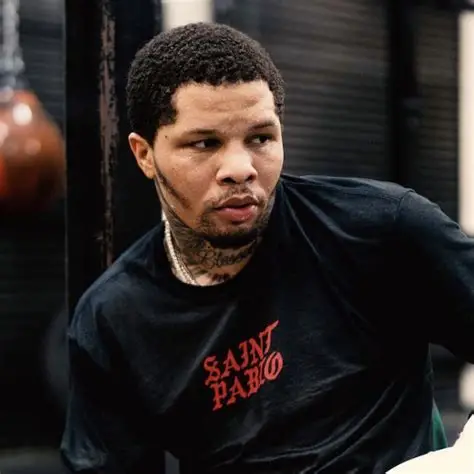
For Fenwick, boxing became that transformative force. The discipline required in the gym, the structure of training, and the clear goals of competitive sport provided an alternative to the chaos outside the ring. Boxing gyms in Baltimore have long served as sanctuaries for young men seeking direction, and Fenwick found his calling within those roped squares.
What makes his story particularly compelling is how he used these challenging circumstances not as excuses but as fuel. Every setback in his neighborhood became motivation in the gym. Every obstacle outside the ring translated into determination inside it. This resilience would become the defining characteristic of his boxing career and his life.
Life in a Champion’s Shadow
Perhaps one of the most complex aspects of Demetris Fenwick’s career is his relationship to fame—specifically, his brother Gervonta “Tank” Davis’s fame. Davis has become one of boxing’s biggest stars, a multiple-division world champion with knockout power and a massive following. He’s the kind of fighter who sells out arenas and dominates sports headlines.
For Fenwick, having such a successful sibling presents a double-edged sword. On one hand, the connection brings visibility and opens certain doors. On the other, it creates inevitable comparisons and puts pressure on him to match accomplishments that few boxers ever achieve.
What’s remarkable is how Fenwick has handled this dynamic. Rather than riding his brother’s coattails or becoming bitter about the disparity in their careers, he’s worked to establish his own identity. He’s approached his career with a different mindset—not seeking to replicate Davis’s explosive style or championship glory, but to create his own legacy based on heart, durability, and community impact.
This authenticity has earned him respect among boxing purists who understand that not every fighter can be a champion, but every fighter can choose how they represent themselves and their community.
The Fighter’s Journey: Style and Substance
Demetris Fenwick’s boxing style reflects his life philosophy. He’s not known for devastating one-punch knockout power or flashy combinations that make highlight reels. Instead, his approach centers on resilience, defensive awareness, and the ability to endure against elite competition.
In boxing circles, there’s a saying: “styles make fights.” Fenwick’s style is that of a survivor, someone who can absorb pressure, adapt to opponents, and go the distance when others might fold. This durability was on full display in his most notable bout—a fight against his brother Gervonta Davis that showcased both his courage and his technical abilities.
Fighting your own brother in a professional boxing match is almost unheard of, and it speaks to the complexity of their relationship and Fenwick’s commitment to his career. That bout, regardless of the outcome, demonstrated that Fenwick belonged in the ring with elite fighters. It proved that his skills were legitimate, even if his promotional opportunities and championship chances were limited.
Throughout his career, Fenwick has faced the challenge that many journeyman boxers confront: how do you build a meaningful career without the championship belts that define success in most fans’ eyes? His answer has been to focus on the quality of his performances, the respect of his peers, and his impact outside the ring.
More Than Leather and Canvas: Community Leadership
While Fenwick’s in-ring career defines his profession, his work outside the ring may ultimately define his legacy. Baltimore, like many American cities, faces significant challenges with youth violence, limited opportunities, and cycles of poverty that seem difficult to break.
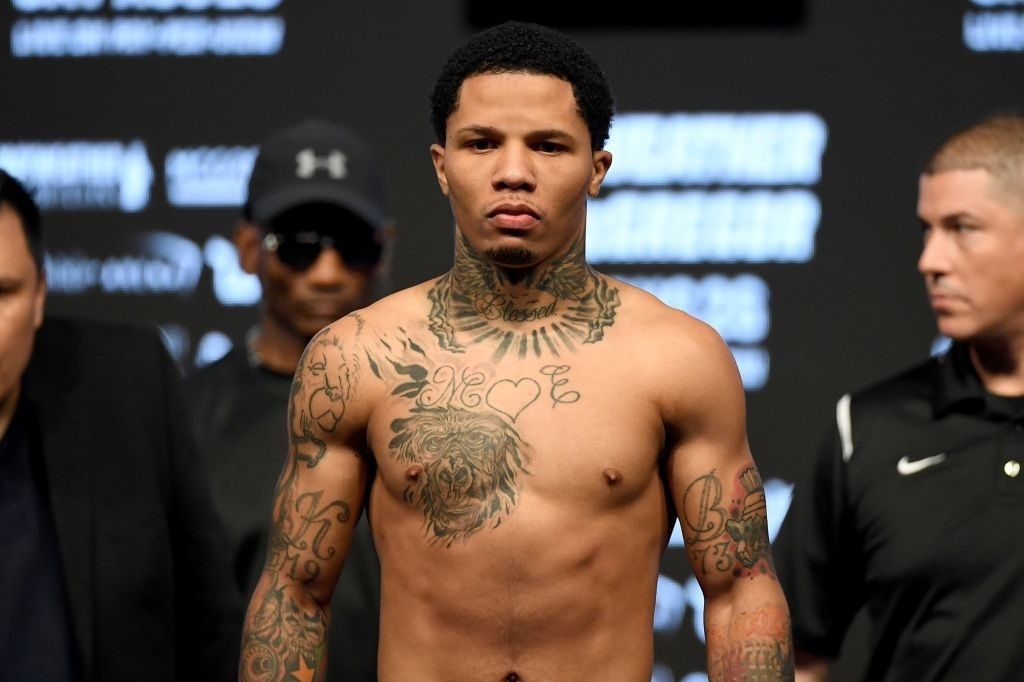
Fenwick has positioned himself as part of the solution. Through mentorship programs and community engagement, he’s worked to provide young people with the same kind of alternative path that boxing provided him. His message is simple but powerful: your circumstances don’t have to define your future.
This community leadership distinguishes Fenwick from many professional athletes. He hasn’t waited until retirement to give back or limited his involvement to token appearances. Instead, he’s actively invested in Baltimore’s youth, using his own story as proof that transformation is possible.
The impact of such work is difficult to quantify. How do you measure a young person who chooses boxing training over street corners? How do you count the futures changed by a role model who looks like you, comes from your neighborhood, and made it out through legitimate means?
For many young people in West Baltimore, Fenwick represents possibility. He’s not a distant superstar whose success seems unreachable—he’s someone from their blocks, who faced their challenges, and created a life of purpose. That proximity and authenticity make his example particularly powerful.
The Underdog Narrative That Resonates
American sports culture has always celebrated the underdog, and Fenwick’s story fits that narrative perfectly. He’s not the most naturally gifted boxer, not the most promoted, and not the most celebrated. But he shows up, works hard, and refuses to quit—qualities that resonate deeply with fans who see their own struggles reflected in his journey.
There’s something fundamentally human about supporting someone who keeps fighting despite the odds. Fenwick’s career reminds us that boxing, at its core, is about heart as much as skill. It’s about what you do when you’re tired, hurt, and the easier path would be to quit.
This underdog status also allows Fenwick to connect with audiences in ways that champions sometimes cannot. Champions are admired, but underdogs are relatable. Fenwick’s story says: “You don’t have to be the best to matter. You don’t need a belt to have value. Keep fighting your fight, whatever that means for you.”
Navigating the Challenges
Being honest about Fenwick’s career means acknowledging the challenges he faces. The boxing business is brutal, especially for fighters without championship belts or major promotional backing. Opportunities dry up, purses remain modest, and younger fighters constantly emerge to compete for limited spots on fight cards.
The physical toll of boxing is another reality that Fenwick, like all fighters, must manage. Every training camp, every bout, every punch absorbed takes something from a fighter’s body. The long-term health implications of boxing are well-documented, and fighters must constantly weigh their passion for the sport against these risks.
Living in his brother’s shadow, while handled gracefully, still presents emotional and professional challenges. Media coverage often mentions Davis first, using Fenwick’s relationship to his famous brother as the primary angle. Establishing an independent identity in such circumstances requires continuous effort and thick skin.
The lack of a championship belt, while not diminishing his accomplishments, does limit opportunities and earning potential. In boxing, titles open doors to bigger fights, better purses, and lasting legacy. Without one, Fenwick must work harder to secure quality matchups and financial security.
What Success Really Means
Perhaps Demetris Fenwick’s greatest contribution to boxing is redefining what success looks like. In a sport obsessed with championship belts, knockout ratios, and undefeated records, Fenwick offers an alternative measure: impact, resilience, and authenticity.
His career asks important questions: Does a fighter need a belt to be successful? Can your legacy be about who you inspired rather than who you defeated? Is showing up consistently and fighting with honor enough?
For Fenwick, the answer seems to be yes. His success isn’t measured in gold-plated hardware but in the young people he’s mentored, the community he’s served, and the respect he’s earned from those who understand that boxing is about more than wins and losses.
The Road Ahead
As Fenwick’s career continues, the path forward remains uncertain in the way it is for most professional boxers. Opportunities will come and go, opponents will be matched, and decisions will be made about how many more times to step through those ropes.
What seems certain is that Fenwick will approach whatever comes next with the same resilience and authenticity that have defined his career thus far. Whether his final record shows more wins than losses becomes less important than the broader narrative he’s created.
His story will continue to inspire because it’s real. It doesn’t have a Hollywood ending where the underdog wins the championship against all odds. Instead, it’s the more common but equally valuable story of someone who used boxing to escape difficult circumstances, built a career on determination rather than talent alone, and invested in his community along the way.
Final Round: A Legacy Beyond Belts
Demetris Fenwick may never be mentioned alongside boxing’s all-time greats. His name won’t appear on pound-for-pound lists, and he probably won’t be inducted into any Hall of Fame. But in West Baltimore and among those who value substance over flash, his legacy is already secure.
He represents the thousands of professional boxers who never win championships but who embody everything noble about the sport. They show up to training when they’re injured. They take fights against dangerous opponents for modest purses. They lose more than they’d like but never lose their dignity or commitment to the craft.
More importantly, Fenwick shows that athletes can define success on their own terms. He could have walked away from boxing, bitter about the opportunities that didn’t materialize or resentful of his brother’s success. Instead, he chose to be an example, a mentor, and a community leader.
That choice—to turn hardship into purpose, to use his platform for positive change, and to keep fighting regardless of the scorecards—makes Demetris Fenwick’s story worth telling. In a sport where glory is often fleeting and most fighters are forgotten, he’s building something more enduring: a legacy of resilience, authenticity, and service that will outlast any championship reign.
Baltimore produced Demetris Fenwick, and he’s spent his career giving back to the city that shaped him. That’s not just a boxing story—it’s a human story, and those are the ones that matter most.